Tired of Your Phone Slowing Down at the Worst Times? Here’s How to Keep It Running Smoothly—Every Day
We’ve all been there—your phone freezes right as you’re about to capture a precious moment, or it dies mid-commute when you need maps most. It’s frustrating, and it shouldn’t happen. The good news? A few smart app habits can transform your phone from a source of stress into a reliable partner. Let’s explore how small changes make a big difference in your digital life. You don’t need to be a tech expert—just someone who wants more calm, control, and connection in your day.
The Morning Struggle: Why Your Phone Feels Slow Before Your Coffee Kicks In
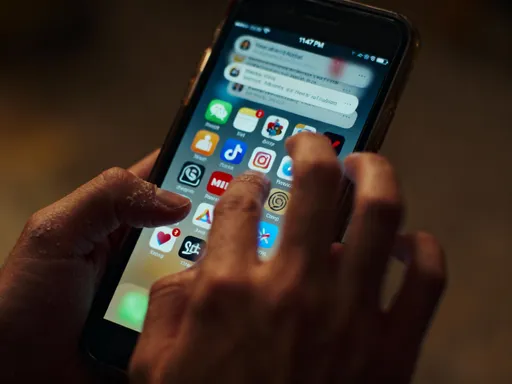
Imagine this: you wake up, reach for your phone, and before you’ve even opened your eyes all the way, it’s buzzing. Notifications from last night’s messages, breaking news alerts, social media likes, and app updates flood your screen. You tap to check one thing, and suddenly, the phone lags. The camera app won’t open. Your calendar is slow to load. By the time you get dressed, you’re already behind—and stressed. This isn’t just bad luck. It’s your phone trying to do too much, too fast.
Behind the scenes, many apps launch automatically when you turn on your device. Email, weather, social networks—they all start working in the background, using up memory and battery. Even if you’re not actively using them, they’re consuming resources. That’s why your phone feels sluggish the moment you unlock it. It’s like asking your body to run a marathon before you’ve had breakfast. The good news? You’re in control. You can choose which apps get to wake up with you.
Start by reviewing which apps launch at startup. On most phones, you can go into Settings > Apps > Startup or Background Activity and disable non-essential ones. Turn off anything that doesn’t need to run immediately—like shopping apps, games, or social media. Keep only the essentials: your calendar, messaging for family, and maybe your weather app. This simple step can cut boot time in half and preserve battery for what matters.
Another game-changer? Organize your home screen with intention. Think of it like your kitchen counter—do you want it cluttered with every appliance, or just the ones you use every morning? Put your most-used apps within easy reach: phone, messages, calendar, camera. Move the rest to folders or the app library. Fewer icons mean faster access and fewer distractions. One mom in Ohio told me she used to spend 20 minutes every morning trying to find the right app for her kids’ schedules. After simplifying her screen, she gained back that time—and started her day with calm instead of chaos.
Work Mode: Staying Focused When Distractions Multiply
During the workday, your phone can either be your assistant or your saboteur. For many of us, it’s both. You’re in the middle of writing an email, and—ping—a message pops up. You glance at it, then check one more thing, and suddenly, 15 minutes have vanished. This isn’t just a time issue; it’s a focus issue. Every alert pulls your brain out of deep work and forces it to re-engage. That mental whiplash adds up, leaving you tired and less productive by noon.
The culprit? App overload. Most of us have dozens of apps sending notifications, and many of them are designed to grab attention, not serve us. Social media, news, shopping—these apps thrive on your attention. They use colors, sounds, and even vibration patterns to keep you coming back. But you don’t have to play their game. You can set your own rules.
Enter “digital zoning.” This is the idea of creating time blocks where your phone supports your goals instead of distracting from them. On both iPhone and Android, you can use built-in tools like Focus Mode or Digital Wellbeing to silence non-essential apps during work hours. For example, you can set a “Work” focus that only allows calls from family and messages from your boss. Everything else waits.
One teacher in Portland shared how this changed her afternoons. She used to feel scattered during lesson planning, constantly checking her phone. After setting up a focus mode from 2–4 PM, she found she could plan two weeks’ worth of classes in one afternoon. She didn’t delete any apps—she just gave herself permission to use them later. That sense of control was more powerful than she expected. You don’t have to be at work to use this. Whether you’re cooking dinner, helping with homework, or paying bills, a short focus session can help you finish faster and feel more accomplished.
Family Coordination: Keeping Everyone on the Same Page Without the Chaos
If you’re managing a household, you know the drill: texts flying back and forth about who’s picking up the kids, what’s for dinner, or whether the dentist appointment is at 3 or 4. It’s exhausting. And when someone misses a message? That’s when things fall apart. The good news is, your phone can help you stay in sync—without the noise.
The secret? Shared digital tools. Instead of relying on memory or scattered messages, use a shared calendar. Both Google Calendar and Apple Calendar let you create a family group where everyone can see appointments, school events, and chores. You can color-code each person, set reminders, and even add location-based alerts—like “Leave now for soccer practice.” One mom told me she used to write everything on a whiteboard. Now, her teens check the calendar on their phones, and she gets automatic reminders. No more forgotten permission slips.
Pair your calendar with a task manager like Google Keep, Apple Reminders, or Todoist. Create a shared list for groceries, household repairs, or weekend plans. When someone adds milk to the list, it shows up for everyone. When it’s bought, they check it off. No more double-buying or missing supplies. You can even set recurring tasks—like “Take out the trash every Tuesday”—so they never slip through the cracks.
The real win isn’t just organization—it’s peace of mind. When one system holds the details, you’re free to focus on being present. One dad said he used to feel like a manager, constantly chasing updates. Now, he trusts the system. His kids know where to look, and he’s not the middleman. That shift—from chaos to clarity—doesn’t happen overnight, but it starts with one app, one list, one shared calendar.
On the Go: Traveling Light with a Smart, Organized Phone
Travel should be exciting, not stressful. But how often does your phone make it harder? You’re at the airport, trying to pull up your boarding pass, and the app won’t load. Or your phone dies because the map has been running for hours. These moments aren’t just inconvenient—they’re avoidable. A little prep goes a long way in making your phone a travel ally, not a liability.
Start before you leave. Delete apps you don’t use. Every unused app takes up space and can run background tasks. Freeing up storage helps your phone run faster and gives room for photos, maps, and music. While you’re at it, clear your photo cache and offload old messages with large attachments. These small cleanups can free up gigabytes you didn’t know you were missing.
Next, prepare for offline access. Download maps for your destination using Google Maps or Apple Maps. Just search the city, tap “Download,” and save it to your device. That way, even without Wi-Fi, you can navigate. Also, add your boarding passes, hotel reservations, and event tickets to your phone’s wallet app. Both Apple Wallet and Google Pay let you store passes securely and access them with a swipe—no hunting through email.
One frequent traveler told me she used to print everything. Now, she travels with just her phone and a small bag. On a recent trip through Europe, her phone saved her during a layover when her flight was changed. She pulled up her new boarding pass in seconds, used offline maps to find the gate, and even paid for a coffee with her digital wallet. All because she took 20 minutes to prep her phone the night before. You don’t need to be a digital nomad to benefit—any trip, big or small, gets easier with a well-organized phone.
Digital Detox Without the Drama: Finding Balance After Burnout
Have you ever felt so overwhelmed by your phone that you wanted to throw it in the river? You’re not alone. Constant pings, endless scrolling, and the pressure to stay connected can lead to real burnout. But the idea of a full digital detox—turning everything off for days—feels extreme. What if there was a gentler way? One that lets you recharge without disconnecting completely?
The answer is adaptive app management. Instead of cutting off, you redesign your relationship with your phone. Start by identifying the apps that drain you. Is it social media? News? Games? Notice when you open them—are you bored, stressed, or just habitually reaching for your phone? Once you see the pattern, you can change it.
Use screen time tools to set daily limits. For example, allow 30 minutes for social media. When the timer ends, the app locks. At first, it might feel annoying—but that’s the point. It creates a pause, a chance to choose. And instead of filling that gap with more scrolling, replace it with something nourishing. A reader in Texas replaced her evening Instagram habit with a creativity app where she sketches and journals. She said it felt strange at first, but now it’s her favorite part of the day.
You can also rearrange your home screen to support better habits. Put the apps you want to use more—like meditation, reading, or fitness—front and center. Move the tempting ones to a folder on the second screen. Out of sight, out of mind. One writer shared that she moved all her social apps into a folder labeled “Work Research” and hasn’t opened it in weeks. She didn’t delete them—she just made them harder to reach. Small barriers create space for better choices.
Nighttime Peace: Protecting Your Sleep from Screen Overload
Let’s talk about bedtime. How often do you say, “Just five more minutes,” and end up scrolling for an hour? You’re not weak—you’re up against powerful design. Apps use bright colors, infinite scroll, and unpredictable rewards to keep you engaged. But that late-night screen time messes with your sleep. The blue light suppresses melatonin, and the mental stimulation makes it harder to wind down.
The fix isn’t just turning off your phone—it’s automating better habits. Both iPhone and Android let you schedule “Bedtime Mode” or “Wind Down.” You can set it to turn on at the same time every night. When it activates, your screen dims, switches to grayscale or dark mode, and silences notifications. You can even pair it with a playlist or a meditation app to signal to your brain that it’s time to relax.
Another powerful step? Move your charging station out of the bedroom. If your phone isn’t next to your bed, you’re less likely to grab it. But if you need it for the alarm, turn on Do Not Disturb and allow only critical calls—like from family. One woman in Minnesota said she used to check her phone six times a night. After moving it to the kitchen and setting up bedtime mode, she now sleeps through the night. She wakes up refreshed and doesn’t miss the midnight scrolls.
You can also replace your nighttime habit with a better one. Instead of social media, try a journaling app, a gratitude list, or an audiobook. One mom swapped her news feed for a bedtime story app she listens to with her daughter. It became a ritual they both look forward to. The goal isn’t perfection—it’s progress. Even small shifts, like starting 15 minutes earlier, can improve your sleep over time.
Building a Smarter Digital Routine: Long-Term Gains from Daily Habits
Here’s the truth: no single tip will magically fix everything. Lasting change comes from consistency, not one big overhaul. The goal isn’t a perfect phone—it’s a phone that serves you. That means making small, mindful choices every day. Think of it like tending a garden. You don’t plant once and forget it. You water, prune, and adjust as the seasons change.
Start with a weekly check-in. Every Sunday, spend 10 minutes reviewing your phone habits. Open your screen time report. Which apps took the most time? Did any surprise you? Were there moments when your phone helped you—or stressed you out? Use that insight to tweak your settings. Maybe you need to adjust a focus mode, delete an app, or move something to a less convenient spot.
Also, be kind to yourself. Some days, you’ll scroll more. Some days, your phone will feel out of control. That’s okay. What matters is that you keep coming back to intention. One woman told me she used to feel guilty about her phone use. Now, she sees it as a tool she’s learning to master. She celebrates small wins—like using her calendar to avoid a double booking, or silencing notifications during dinner.
Over time, these micro-choices add up. Your phone becomes faster, quieter, and more supportive. It stops being a source of friction and starts helping you live the life you want. You capture more moments, stay connected with family, and protect your peace. That’s the real power of tech—not the speed of the processor, but the quality of your days.
So take a breath. You don’t need to do everything at once. Pick one tip—just one—and try it this week. Disable a startup app. Set up a focus mode. Share a calendar with your family. Small steps lead to big changes. And remember, you’re not managing a device. You’re creating space for what matters most: your time, your energy, and your presence. A well-organized phone isn’t just efficient—it’s an act of care for yourself and your loved ones.