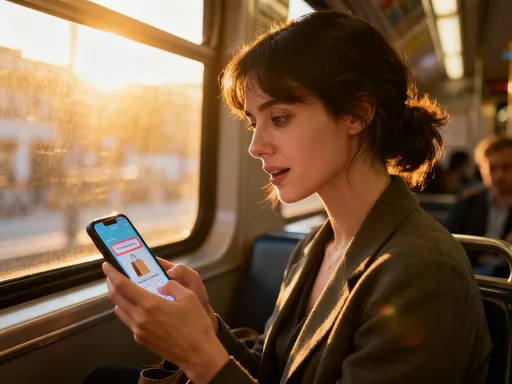
It’s Not Just a Parking App: How Finding a Spot Became a Moment of Calm in My Day
Finding a parking spot used to be my daily stress test—circling blocks, racing the meter, missing calls from my kids. Then I tried a smart parking finder, not for the tech, but out of desperation. To my surprise, it didn’t just save time—it changed my mindset. No more frantic searches, no more arriving flustered. Suddenly, I had three extra minutes to breathe, to text my sister, to remember why I came to town in the first place. This small shift didn’t just improve my commute. It improved me.
The Last Straw: When Parking Stress Almost Made Me Quit Going Out
There was a Tuesday last winter when I almost gave up on errands altogether. I’d left the house with a list—milk, laundry detergent, birthday card for my nephew—and the kind of calm that comes from a slow morning with tea and a podcast. But by the time I reached downtown, that peace had evaporated. I circled the same block four times, eyes darting between traffic, pedestrians, and the unbroken line of occupied spots. My shoulders were up by my ears. My jaw was clenched so tight it ached. I missed a call from my daughter’s school, and when I finally pulled over to check it, my hands were shaking.
It wasn’t just the time—it was the emotional toll. That day, I arrived at the grocery store late, flustered, and already defeated. I snapped at the cashier over a price mismatch. I forgot half my list. And when I finally got home, my son asked, 'Why were you yelling on the phone?' I hadn’t even realized I had been. Parking had become this invisible tax on my energy, my patience, my presence. It wasn’t just about wheels and asphalt. It was about how this one small, repeated frustration was quietly eroding my sense of control. I started avoiding trips. I’d ask my husband to go instead, or order online even when I didn’t want to. That’s when I knew—something had to change. Not because I hated driving, but because I wanted my calm back.
Discovering the Tool: Not Just Tech, But a Personal Lifeline
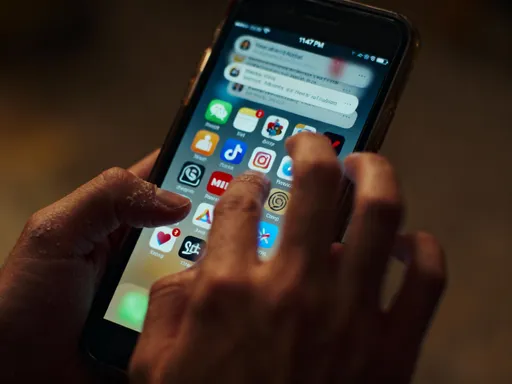
I didn’t find the app on a tech review site or through an ad. I heard about it from my friend Lisa over coffee, of all places. She mentioned, almost in passing, 'I don’t know how I lived without this parking app. It gives me back my patience.' I remember rolling my eyes a little—another gadget promising peace? But she wasn’t selling it. She was just… calmer. When I asked how it worked, she explained simply: it shows you where parking spots are open, in real time, right on your phone’s map. No guessing, no circling. You tap, it guides you. Some even let you pay through the app so you don’t have to run back to feed the meter.
What sold me wasn’t the tech—it was the tone in her voice. She sounded like someone who’d reclaimed a piece of her day. So I downloaded it that night. The setup took less than five minutes. No complicated settings, no syncing with obscure devices. Just location access, a quick tutorial, and I was ready. The first few times I used it, I was skeptical. I’d still scan the street, half-convinced the app was wrong. But more often than not, it was right. There really was a spot two blocks over, near the library. Or one that just opened up by the post office. It wasn’t magic. It was just information—delivered at the right time, in the right way. And for someone like me, who’d spent years white-knuckling her way through city driving, that made all the difference.
The First Real Test: Grocery Run, School Pickup, and One Less Crisis
The real moment of truth came on a Thursday that felt like it was already spinning out of control. Morning meeting ran late. I skipped breakfast. My youngest had a fever, so I had to call the pediatrician while driving. Then came the grocery run—always a challenge—and right after, I needed to pick up my daughter from after-school club by 5:15. Rain was coming down in sheets. Traffic was thick. And as I turned onto Main Street, my heart sank. Every spot was taken. The familiar panic started to rise: I’m going to be late. She’s going to wait. I’ll have to park far away and carry bags in the rain.
Then I remembered the app. I pulled over for a moment, took a breath, and opened it. Within seconds, it showed two open spots—one just around the corner from the store, another a block behind it. I picked the closer one. The app guided me with turn-by-turn directions, like GPS, but for parking. And when I turned the corner, there it was. Empty. Right in front of the bakery. I parked, paid through the app with one tap, and walked into the store dry and on time.
But the real win came later. Because I wasn’t rushing, I had time to actually shop. I remembered the list. I even picked up the soup my son liked. And when I was leaving, I saw a text from my daughter: 'Mom, are you coming soon?' Instead of firing off a stressed 'Almost there!' I called her. We chatted about her day. I wasn’t late. I wasn’t breathless. I wasn’t snapping. I was just… present. That evening, she said, 'You seemed happy when you picked me up.' I realized then—it wasn’t just about parking. It was about who I got to be when I didn’t have to fight for a spot.
More Than Convenience: How Less Searching Gave Me More Presence
What surprised me most wasn’t the time saved—it was the mental space it opened up. I didn’t realize how much brainpower I’d been spending on parking until it was gone. That constant background hum of 'Where will I park? How long will it take? Will I get a ticket?'—it was like a mental clutter I didn’t even notice until it lifted. Psychologists call it cognitive load, but to me, it just felt like I finally had room to breathe.
With that extra mental bandwidth, I found I was more patient at home. I listened better. I laughed more. I wasn’t carrying the tension of the drive into my living room. One night, my husband commented, 'You’ve been easier to be around lately.' I laughed, but it was true. I wasn’t walking in the door already drained. And it wasn’t just at home. At work, I felt sharper. In conversations, I was more focused. I wasn’t replaying the parking battle in my head while someone was talking to me.
There’s a quiet power in not being frazzled. When you’re not operating from a place of stress, you make better choices. I started using those extra few minutes not just to run errands faster, but to do things that mattered—calling my mom, listening to a song I loved, even just sitting in the car for a moment before going inside. That pause, that breath, became sacred. It reminded me that peace isn’t always about big changes. Sometimes, it’s about removing one small source of friction so you can show up as the person you want to be.
Shared Calm: How This Tiny Change Helped My Whole Family
What started as my little secret quickly became a family tool. My husband was the first to ask, 'How are you always finding spots so fast?' I showed him the app, and within a week, he was using it too. We stopped having those little arguments about who would 'run and hold the spot' while the other parked. No more double-parking, no more honking, no more last-minute dashes. It sounds small, but those moments used to create real tension.
Then I taught my older daughter how to use it. She’s 16 and just got her license, so driving anxiety is real for her. The first time she used the app to find a spot at the mall, she texted me: 'I didn’t panic!!!' That meant more than I can say. It wasn’t just about convenience—it was about confidence. She wasn’t facing the world alone; she had a tool that made one hard thing a little easier. Now, when we plan group outings, someone always checks the app before we leave. It’s become part of how we move through the world—not faster, but smoother.
Even our routines changed. We started scheduling errands differently, knowing we wouldn’t lose 15 minutes just finding parking. We began going to events we used to skip because 'parking would be a nightmare.' The app didn’t just change how we parked. It changed how we lived—more freely, more calmly, more together. It’s funny how one small tool can ripple through a household, softening edges and turning stress points into moments of connection.
Building Better Habits: From Parking to Personal Rhythm
Here’s what I didn’t expect: fixing one small thing made me want to fix others. Once I saw how much better I felt without the parking struggle, I started looking at other parts of my day with fresh eyes. What else was draining me? What else could be simplified?
I started small. I used a meal-planning app to stop the 'What’s for dinner?' panic. I set up automatic bill payments so I wasn’t scrambling at the end of the month. I even started using a fitness tracker—not to obsess over steps, but to remind me to move after long stretches at the desk. Each change felt like another brick in a foundation of calm. And each one was inspired by that first win—the parking app.
It taught me that peace isn’t something you find all at once. It’s something you build, piece by piece, choice by choice. When you experience the relief of one less battle, you start to crave more of those quiet victories. You begin to ask, 'What else could make my life flow better?' And you realize that technology, when used with intention, isn’t about distraction or addiction. It’s about support. It’s about designing a life that works for you, not against you. Those small wins don’t just save time—they build confidence. They remind you that you’re in charge. And that sense of control? It spills over into everything.
A Life Reclaimed, One Spot at a Time: Why Small Tech Wins Matter Most
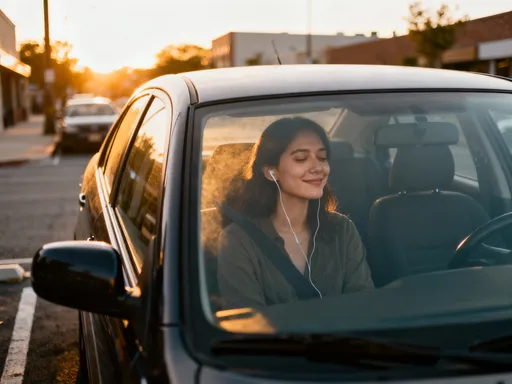
I still remember the first time I arrived somewhere early—not because I left late and rushed, but because I didn’t waste time circling the block. I pulled into a spot, turned off the car, and just sat. The rain was tapping softly on the roof. My playlist had just started a song I loved. And for the first time in years, I wasn’t thinking about the next thing. I was just there. Fully. Quietly. Completely present.
That moment didn’t happen because of a grand transformation. It happened because a simple tool removed a daily friction. It didn’t change my life in a day. But over time, those saved minutes, that lifted tension, that quiet confidence—they added up. I’m not just getting around easier. I’m living more fully.
Technology often feels like it’s pulling us apart—distracting, overwhelming, speeding everything up. But it doesn’t have to be that way. When it’s used to serve our humanity, not replace it, it can be a quiet force for good. It can give us back time. It can restore our calm. It can help us show up as the people we want to be—for our families, for ourselves.
So I’ll say this: pay attention to the small tools. The ones that don’t shout, but whisper. The ones that don’t dazzle, but deliver. Because sometimes, the most powerful tech isn’t the flashiest. It’s the one that helps you breathe. The one that lets you answer your child’s call. The one that gives you three extra minutes to remember why you came in the first place. In a world that never slows down, those moments aren’t just nice. They’re necessary. And they’re worth choosing, on purpose, every single day.