From Thirsty Strangers to Hydration Buddies: How a Simple App Brought My Family Closer
Staying hydrated sounds simple, but for busy parents and picky kids, it’s often forgotten—until someone’s tired, irritable, or getting a headache. I used to nag my child to drink water, only to be met with eye rolls. Then we tried a water reminder app together. What started as a health habit quietly transformed into daily check-ins, shared goals, and sweet moments of connection. This isn’t just about drinking water—it’s about creating space for care in our everyday lives. And honestly, I never expected a tiny app on my phone to help me feel closer to my child in such a gentle, consistent way.
The Everyday Struggle: When Hydration Becomes a Battle
Let’s be real—most days feel like a race. School drop-offs, work emails, grocery runs, dinner prep, and the never-ending laundry pile. In the middle of all that, remembering to drink enough water? It’s usually the last thing on our minds. I’d go hours without a sip, then wonder why I felt foggy by 3 PM. My child wasn’t much different—coming home from school with dry lips and a cranky mood, only to say, “I don’t know, I just forgot.” Sound familiar?
At first, I thought more reminders would help. So I started asking, “Did you drink water at lunch?” or “Have you had a glass today?” But over time, those questions started to feel like mini interrogations. My child would sigh, roll their eyes, or give one-word answers. It wasn’t rebellion—it was just fatigue. We were both overwhelmed, and my well-meaning questions were adding pressure instead of support.
Then came the physical signs. I noticed my child getting headaches more often, struggling to focus on homework, and needing extra naps on school days. I looked it up and realized dehydration could be a big part of it. Even mild dehydration can affect concentration, mood, and energy levels—especially in growing kids. But here’s the catch: telling a child “You need to drink water because it helps your brain” doesn’t always work. They hear it as another rule, not as care.
Meanwhile, I wasn’t modeling the behavior I wanted to see. I’d drink coffee all morning and forget water until dinner. How could I expect change if I wasn’t changing too? That’s when I realized we needed something different—not more nagging, but a shared way to remember, together.
A Tiny Tech Fix with Big Emotional Ripple Effects
I downloaded a water tracking app on a whim, thinking it would just help me stay on top of my own intake. I’d seen them before—simple tools that let you tap a button every time you drink a glass. I didn’t expect much. But when I showed it to my child and said, “Want to try this with me?” something shifted.
We picked avatars—mine was a smiling sun, theirs was a dancing water droplet. We set daily goals: 6 glasses for them, 8 for me. The app sent soft, friendly notifications like “Time for a sip!” or “You’re doing great!” not with a robotic tone, but with warmth. And here’s the surprising part: my child started looking forward to those pings.
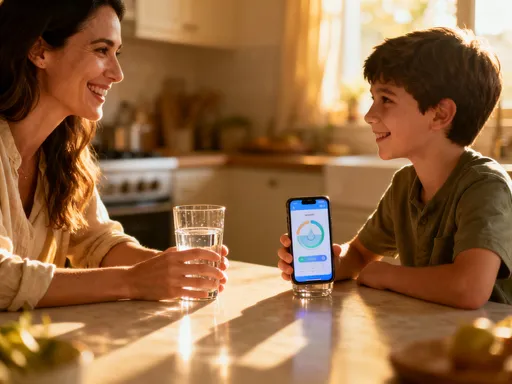
Instead of resisting, they’d say, “Oh! My app just reminded me!” and run to the kitchen. I’d hear the fridge open, the water pour, and then a proud “I just logged my fourth glass!” It wasn’t just about hydration anymore. It was about participation, about being part of something with me. We started comparing progress at dinner—“You’re ahead of me today!”—and it felt like a game, not a chore.
What I didn’t expect was how this small digital habit would become a quiet thread of connection. We weren’t just tracking water—we were checking in on each other. The app became a shared language, a way to say “I’m thinking of you” without saying it out loud. And that changed everything.
From Nagging to Noticing: How the App Changed Our Conversations
Before the app, our water talks were full of tension. “Did you drink?” “No.” “Why not?” “I forgot.” Repeat. It felt like I was policing them, and they were just trying to survive my questions. But once the app was in play, the dynamic softened. The reminders didn’t come from me—they came from a friendly little chime on their phone. That small shift made a huge difference.
Suddenly, our conversations changed. Instead of “Did you drink?” it became “I just finished my third glass—beat that!” or “You reminded me—I was so thirsty!” I started getting sweet little messages: “Mom, your app just went off. Drink your water!” And I’d smile, take a sip, and reply, “Thanks, buddy. You’re looking out for me.”
It wasn’t just about the water—it was about the care behind the message. We were paying attention to each other in a new way. The app gave us an excuse to check in, to show we cared, without making it heavy or serious. It was light. It was kind. And it built trust.
I noticed my child started initiating conversations about how they felt. “I drank water and now I don’t have a headache.” “I feel more awake after school.” These weren’t things I had to point out—they were discoveries they made on their own, with a little digital nudge. And that made the lessons stick.
As a parent, it reminded me that connection doesn’t always come from big talks or planned activities. Sometimes, it grows in the small, ordinary moments—like reminding each other to drink water. And when those moments are wrapped in kindness, not pressure, they become something beautiful.
Designing Shared Rituals in a Digital Age
One of my biggest worries about using an app was that it would just add more screen time. I didn’t want us glued to phones, tapping buttons instead of talking. But what surprised me was how the app actually pulled us into real-life moments, not away from them.
We started linking our water goals to daily routines. One glass right after school—“Welcome home, let’s hydrate!” One before homework. One after dinner. The app reminded us, but the action happened in the kitchen, at the table, in the living room. We turned it into a ritual: a moment to pause, drink, and reconnect.
Sometimes, my child would run over and say, “I just logged my post-homework glass!” and I’d give them a high-five. No screen reward, no digital badge—just a real, human celebration. That’s when I realized the app wasn’t replacing family time. It was creating new openings for it.
And here’s something important: we kept the app simple. We didn’t obsess over exact ounces or track every sip. We focused on the habit, not the data. The goal wasn’t perfection—it was consistency, and the connection that came with it.
By pairing the digital tool with real-world actions, we built something meaningful. The app didn’t take over our lives—it served them. It reminded us to care, and then we did the caring in person. That balance is what made it work.
Beyond Hydration: The Hidden Benefits of Shared Tracking
I thought we were just learning to drink more water. But over time, I realized we were learning so much more. The app opened the door to bigger conversations—about how our bodies work, what fuels us, and why self-care matters.
One evening, my child asked, “Does drinking water help your brain think better?” I smiled and said, “Yes, actually—it does.” We talked about how water helps carry nutrients, flush out toxins, and keep our brains sharp. They were curious, engaged, asking follow-up questions. This wasn’t a lecture—it was a real conversation, sparked by a simple habit.
They started noticing how their body felt. “I drank water and I didn’t feel sluggish after lunch.” “When I don’t drink enough, my mouth feels dry and I get grumpy.” These weren’t just observations—they were moments of self-awareness. And as a parent, watching your child tune into their body’s signals? That’s priceless.
But it went deeper than health. The app became a quiet teacher of empathy. When I missed a reminder, my child would say, “Mom, you need to drink! You’ll feel better.” They were learning to care for me, not because I told them to, but because they saw me doing it for them.
It also taught responsibility—not the forced kind, but the kind that grows from shared goals. We were in this together. If I slacked off, they’d tease, “You’re behind, Mom!” And I’d laugh and catch up. It wasn’t about guilt—it was about showing up for each other.
What started as a hydration tool became a mirror for our relationship. It showed us how small acts of care, repeated over time, build trust, understanding, and love.
Choosing the Right Tool: Simplicity, Privacy, and Joy
Not every app works for families. I tried a few before finding one that felt right. Some were too complicated, with charts and stats that overwhelmed us. Others were full of ads or asked for too much personal data. One even sent aggressive notifications like “You’re failing your goal!”—definitely not the vibe I wanted.
What I looked for was simplicity. The app needed to be easy for a child to use—big buttons, clear icons, no confusing menus. It had to feel encouraging, not judgmental. And most importantly, it had to respect our privacy. No data sharing, no tracking beyond what we chose to log.
We also wanted joy. The app we picked had fun features—stickers for streaks, cute animations, and the ability to send little “cheers” messages to each other. These weren’t gimmicks—they were motivators. My child loved unlocking a new sticker after seven days of consistent drinking. It wasn’t about the sticker, really. It was about the pride of sticking with something.
I also made sure the app didn’t turn into a competition. We could see each other’s progress, but there were no leaderboards or pressure to “win.” It was about teamwork, not ranking. We celebrated each other’s wins, no matter how small.
And I kept my role as a parent clear. I didn’t use the app to monitor or control. I used it to participate. I logged my water, responded to their messages, and stayed in the game. That made all the difference. When kids see you doing it too, they’re more likely to join in—not because they have to, but because they want to.
A Small Habit That Grew a Stronger Family Connection
Today, those little water reminders are woven into the fabric of our days. They’re not just alerts—they’re tiny invitations to care. Each ping is a chance to pause, drink, and remember that we’re in this together. And over time, those small moments have added up to something big.
I’ve seen my child grow more aware of their body, more confident in taking care of themselves, and more thoughtful toward others. I’ve become more present, more patient, and more intentional about showing love in everyday ways. And our relationship? It feels stronger, softer, more connected.
That’s the thing about technology—it’s not inherently good or bad. It’s how we use it that matters. When we choose tools that support care, connection, and kindness, they can become quiet allies in building a more loving home.
This journey didn’t start with a grand plan. It started with a simple question: “Want to try this with me?” And from that small step, something beautiful grew. We didn’t just learn to drink more water—we learned to notice each other, to support each other, and to build rituals that matter.
If you’re feeling disconnected, overwhelmed, or just stuck in the daily grind, I encourage you to look for your own “water app” moment. It might not be hydration—it could be a shared photo journal, a bedtime gratitude practice, or a step-count challenge. The topic doesn’t matter as much as the intention: to create space for care, one small habit at a time.
Because sometimes, the most powerful connections aren’t built in big moments. They’re built in the quiet, consistent ones—like reminding each other to drink water, and in doing so, remembering to care.