More Than a Commute: How My Shopping App Knows Me Better Than I Do
Ever stood in a store, staring at a shelf, wondering if you’ve bought this before—or if there’s a better deal nearby? I used to. But now, my commute isn’t just about getting from A to B. It’s when my phone quietly reminds me to grab my favorite tea at a store I’m passing—already logged into my membership, with points ready to redeem. It feels less like tech and more like a thoughtful friend who knows my habits, saves me time, and makes everyday shopping just… easier. That shift didn’t happen overnight. It started with one small alert on a rainy Tuesday morning and grew into something I didn’t expect: a deeper sense of control, connection, and calm in the middle of my busy life. This isn’t about flashy gadgets or complicated setups. It’s about how a simple app, used wisely, can quietly transform the way we move through our days.
The Moment Everything Changed: When My Commute Became Smarter
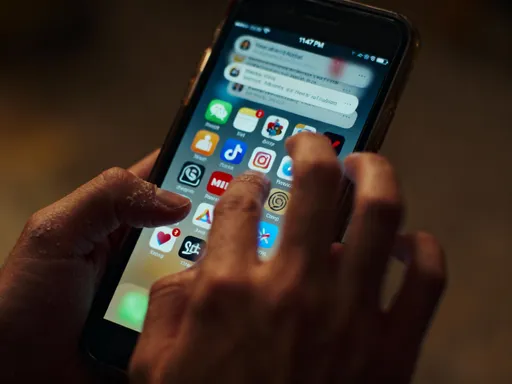
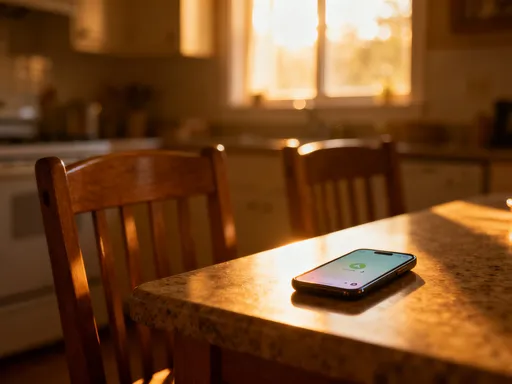
I remember the exact moment my relationship with technology shifted. It was a damp Tuesday, the kind where your coat never quite dries and your to-do list feels heavier than your purse. I was rushing to work, headphones in, mentally rehearsing a meeting, when I passed my favorite neighborhood market. I didn’t even glance inside—just kept walking, half-convinced I didn’t need anything. Then my phone buzzed, not with a text or email, but with a soft chime and a single line of text: ‘Your favorite green tea is on sale—just steps away. Membership logged. 200 points ready to use.’
I stopped. Not because the tea was life-changing, but because the message was. It knew I loved that tea. It knew I usually bought it on Tuesdays. It knew I was nearby. And it had already done the work—logging me into my account, pulling up my loyalty points, even estimating how much I’d save. I walked in, grabbed the tea, tapped my phone at checkout, and walked out in under two minutes. No fumbling for cards, no forgotten rewards, no second-guessing if I was getting the best deal. Just ease. That small moment changed everything. I realized technology wasn’t just something I used—it could be something that worked for me, quietly and thoughtfully, in the background of my life.
Before that day, I thought of apps as tools I had to operate—something I opened, searched, tapped through. But this felt different. It was anticipatory. It didn’t wait for me to ask; it noticed. And in that noticing, it gave me back something precious: time. Time I would’ve spent remembering, searching, deciding. That commute, once just a blur between home and work, had become a space where small joys could show up—unexpected, welcome, and deeply personal.
From Clunky Logins to Invisible Access: The Quiet Power of Membership Management
Let’s talk about loyalty cards. Remember those? The ones that lived in your wallet, bent and scratched, each one a tiny promise of future savings. I used to carry at least five—grocery, pharmacy, coffee, bookstore, even my local flower shop. And how many times did I forget one? Or stand at the register, digging through my bag, apologizing while the line grew longer behind me? Worse, how many points did I lose because I forgot to scan the card or didn’t realize my account was linked to an old email?
Now, all of that is gone. Not because I stopped caring about rewards—but because my app holds all of it, effortlessly. When I walk into a store I frequent, my phone recognizes the location. With a single tap, I can access all my memberships, see my current point balances, and even get alerts about expiring rewards. No more mental math, no more wallet clutter. It’s like having a personal assistant who remembers every detail so I don’t have to.
What makes this powerful isn’t just convenience—it’s peace of mind. I no longer worry about missing out. The app tracks my activity across stores, reminds me of upcoming promotions, and even suggests ways to combine offers. For example, last month I got a notification that I was 50 points away from a free grocery delivery—so I made a quick stop on my way home and unlocked it. That small win felt good. But more than that, it felt like the system was on my side. It wasn’t trying to sell me something I didn’t want. It was helping me get what I already loved, faster and easier.
And here’s the thing: this isn’t magic. It’s smart design. The app syncs with store systems, uses secure authentication, and keeps everything organized in one place. But to me, it feels like a quiet form of care—like someone finally understood how exhausting it is to keep track of all the little things.
How the App Learns What I Love (Without Being Creepy)
I’ll admit it: I was nervous at first. The idea of an app ‘learning’ my habits sounded a little too much like being watched. I didn’t want to feel exposed or manipulated. But what I’ve discovered is that when done right, personalization doesn’t feel invasive—it feels intuitive. It’s not about tracking every move. It’s about noticing patterns that matter to me.
Take almond milk, for example. I buy it every Tuesday near my office. I never told the app this was my routine—but it figured it out. Now, every Tuesday around 3 p.m., if I’m within walking distance of a store that carries my brand, I get a gentle reminder: ‘Time for almond milk? 10% off today.’ It’s not pushy. It’s helpful. And because it’s based on my real behavior, not random ads, it feels like a nudge from a friend who knows my preferences.
The app also picks up on subtler things. Like how I tend to buy a large oat milk latte when I’m running late in the morning. Last week, during a hectic rush, I got a notification: ‘Running late? Your usual coffee is $1 off at the café two blocks ahead.’ I laughed out loud. It wasn’t just saving me money—it was acknowledging my stress and offering a small comfort. That’s the difference between data and understanding. The app isn’t just collecting information; it’s using it to create moments of relief in my day.
And yes, privacy matters. I’ve adjusted my settings so the app only uses location when I’m actively using it or when I enable specific alerts. I review permissions regularly. But here’s what I’ve learned: when you set boundaries, the technology respects them. The app doesn’t need to know everything to be helpful. It just needs to know a few things well. And when it does, it feels less like surveillance and more like support.
Turning Transit Time into Smart Planning Time
My 20-minute train ride used to be filled with mindless scrolling—social media, news, random videos. Nothing wrong with that, but I often got off feeling like I’d wasted time. Now, that same commute has become one of my most productive moments. While I ride, the app updates my shopping list, checks for deals along my route, and even suggests the most efficient stops based on what I need.
Here’s how it works: I add items to my list throughout the week—sometimes at 10 p.m. while folding laundry, sometimes during a work break. The app organizes them by category and store. Then, during my commute, it cross-references my location with store inventories and promotions. So if I’m passing a pharmacy that has my preferred shampoo on sale, it flags it. If two errands are near each other, it groups them. It even estimates how much time I’ll save by making a stop—something that sounds small but makes a big difference when I’m juggling work, family, and life.
One evening, I was heading home after a long day. I hadn’t planned to shop, but the app showed me that the grocery store near my stop had half-price sushi that hour—and it was just a two-minute detour. I picked it up, surprised my family with dinner, and felt like I’d pulled off a tiny miracle. But it wasn’t magic. It was planning, powered by routine and smart design.
This shift has changed how I think about time. Instead of seeing my commute as dead space, I see it as a quiet window to prepare. I’m not multitasking frantically. I’m letting the app do the heavy lifting so I can arrive home with less to worry about. And that, honestly, feels like a luxury.
Making Family Shopping Easier, One Tap at a Time
Let’s be real—coordinating household shopping with another adult can be messy. I used to text my partner a list, only to find out he’d already bought half of it. Or I’d get to the store and realize we’d bought the same brand of pasta sauce twice. It wasn’t anyone’s fault. We were just out of sync. Now, we share a profile in the app, and it’s transformed our routine.
We both add items as we run out. The list updates in real time. We can tag things—‘you buy,’ ‘I’ll get,’ ‘need by Friday’—so there’s no confusion. And the app learns both of our preferences. It knows he likes the dark roast coffee, I prefer the medium blend, and our daughter only eats the blueberry muffins from the bakery down the street. When we’re near a store, it shows us deals on all three.
Last weekend, we were short on time. Instead of splitting up and guessing, we opened the app, saw which store had the best combined deals for our list, and went together. We were in and out in 18 minutes. No stress, no duplicates, no forgotten items. And because we earned points on everything, we unlocked a discount on our next delivery.
But the real win wasn’t the savings. It was the harmony. We weren’t managing a chore—we were sharing a moment. The app didn’t replace conversation; it made space for better ones. Instead of talking about what we needed to buy, we talked about our week. That’s the kind of upgrade I didn’t know I needed.
The Emotional Win: Feeling Seen in a Busy World
Here’s something I didn’t expect: I feel seen. Not in a dramatic way, but in small, quiet moments that add up. Like walking into the grocery store and hearing the cashier say, ‘Welcome back! Your usual oatmeal is 15% off today.’ I didn’t tell them I was coming. I didn’t ask for the discount. But the system recognized me, remembered my choice, and made me feel valued.
In a world that often feels impersonal—where service is fast but not warm, where choices are endless but not meaningful—these moments matter. They’re not just about saving money. They’re about dignity. About being treated like a person, not a transaction. And when technology helps create that feeling, it stops being just a tool. It becomes a form of care.
I’ve started to notice how these small recognitions affect my mood. On days when everything feels chaotic, a simple alert—‘Your favorite herbal tea is restocked’—can bring a smile. It’s like the app is saying, ‘I’ve got you.’ And in that, I feel a little more grounded. A little more in control. Not because I’ve done anything extraordinary, but because I’m supported in the ordinary.
That’s the emotional win. It’s not about efficiency alone. It’s about feeling known. In the rush of daily life, when we’re juggling roles and responsibilities, it’s easy to feel invisible. But when a small piece of technology remembers what we love, anticipates our needs, and shows up at just the right moment—it whispers, ‘You matter.’ And sometimes, that’s exactly what we need to hear.
How to Start—And What to Watch For
If you’re curious about trying this for yourself, I’d say: start small. You don’t need to overhaul your entire routine. Pick one store you visit regularly—maybe your grocery store or pharmacy. Download their app, or a trusted shopping assistant that integrates with multiple retailers. Link your loyalty account. Turn on location services only for that app, and only when you’re comfortable.
Begin by using it for one thing: reminders, points tracking, or digital coupons. See how it feels. Does it save you time? Does it make shopping easier? If yes, add another store. Let the app learn your rhythm. Over time, you’ll notice patterns—like when you tend to shop, what you buy most, where you get the best deals. Let it help you build a smarter routine, not a more complicated one.
And please, pay attention to privacy. Review the app’s permissions. Turn off data sharing if you’re not comfortable. Use strong passwords and two-factor authentication if available. Remember: the goal isn’t to give everything away. It’s to let technology serve you—not the other way around. The best apps are the ones that enhance your life without demanding too much in return.
I’ve learned that trust builds slowly. I didn’t hand over my entire routine overnight. But as I saw how the app respected my boundaries and delivered real value, I opened up a little more. And in return, I’ve gained time, peace of mind, and a surprising sense of connection.
When Technology Feels Like a Quiet Friend
Looking back, I realize the best tools in my life aren’t the loudest or flashiest. They’re the ones that don’t demand attention. The ones that work quietly in the background, making things a little easier, a little smoother, a little more intentional. This app didn’t change my life in a dramatic way. But it changed the texture of my days—the small moments of friction that used to slow me down, the tiny stresses I didn’t even notice until they were gone.
Now, my commute isn’t just a journey. It’s a space where care shows up in unexpected ways. A reminder. A deal. A welcome back. It’s not about living in the future. It’s about living better, right now, in the everyday. And when technology understands that—when it listens, learns, and responds with kindness—it stops being just tech. It starts feeling like a quiet friend who knows you, supports you, and walks beside you, one thoughtful step at a time.