Tired of Losing Precious Memories to a Broken Phone? Here’s How to Keep Them Safe Forever
Losing your phone can feel like losing a piece of your life—photos, messages, even your daily routine, gone in an instant. You’re not alone if you’ve ever panicked after dropping your phone or watched helplessly as it froze one last time. But what if your memories didn’t have to vanish with the device? In this guide, I’ll walk you through a simple, secure way to back up everything that matters—without tech jargon or complicated steps. It’s not just about data; it’s about peace of mind. Think of it like locking your front door at night. You don’t do it because crime is certain, but because you value what’s inside. Your phone holds your moments, your milestones, your mother’s voice in a saved voicemail. And just like you wouldn’t leave your house unlocked, you shouldn’t leave your memories unprotected.
The Moment Everything Vanished: A Story That Feels Too Familiar
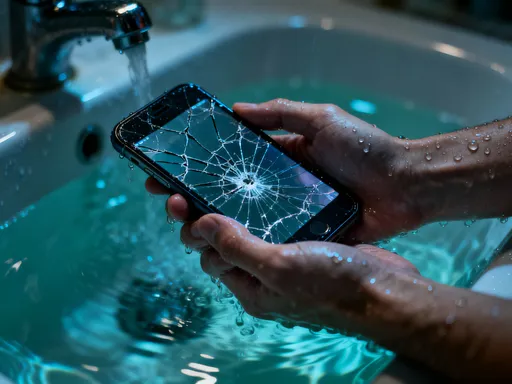
I’ll never forget the morning my phone slipped from my hand into the kitchen sink. It was just after breakfast, I was rinsing a bowl, and in one careless second—splash. My heart dropped faster than the phone. I grabbed it, shaking off water, pressing the power button over and over. Nothing. The screen stayed black. At first, I was just annoyed. But then it hit me: all the photos from my daughter’s first ballet recital were on there. The video of my dad laughing at her performance. The notes I’d taken during my wellness coach training. Years of little moments, all stored on a device that now felt like a brick in my hand.
I sat at the kitchen table, phone in a bowl of rice (yes, I tried that old trick), and I cried. Not because I needed a new phone—those can be replaced. I cried because I thought I’d lost pieces of my life. The truth is, so many of us treat our phones like appliances, not memory vaults. We don’t realize how much of our emotional history lives in that small rectangle until it’s gone. That moment changed me. I realized that backing up isn’t a tech task—it’s emotional self-care. It’s saying, ‘What I’ve lived through matters.’ And if I could go back, I wouldn’t just hope the phone dried out. I’d know, without a doubt, that my memories were safe somewhere else.
This isn’t just my story. I’ve talked to so many women—mothers, sisters, daughters—who’ve had the same experience. One friend lost her phone on a family trip to the beach. Another had her device stolen from her purse at a café. In every case, the panic wasn’t about losing a gadget. It was about losing the last photo of a grandmother who had recently passed, or the journal entries from a difficult year of healing. We don’t just store data on our phones—we store love, growth, and connection. And when we don’t back up, we’re risking more than convenience. We’re risking our personal history.
Why “I’ll Do It Later” Is a Risk You Can’t Afford
We’ve all said it: ‘I’ll back it up later.’ Maybe you tell yourself that while plugging in your phone at night. Or you promise to do it ‘this weekend.’ But later never comes. And the problem with ‘later’ is that it assumes you’ll have time when disaster strikes. But disasters don’t schedule appointments. A cracked screen, a spilled drink, a misplaced bag—these happen in seconds. And by the time you realize you should have backed up, it’s too late.
Here’s the truth: procrastination around digital safety isn’t laziness. It’s emotional avoidance. We don’t want to think about losing our phones because it feels overwhelming. So we push it away, hoping it won’t happen to us. But the reality is, it happens to almost everyone at some point. According to consumer reports, one in three people lose or damage their phone every year. That’s not a distant risk—that’s a likely event. And when it happens, the cost isn’t just financial. It’s emotional. Imagine not being able to show your child their baby photos because the device holding them is in a repair shop—or worse, gone forever.
Think about everything your phone does for you every day. It holds your kids’ school schedules, your grocery lists, your doctor’s appointment reminders. It tracks your water intake, your steps, your meditation streaks. It’s your planner, your diary, your photo album, your connection to family far away. When you lose your phone, you don’t just lose a device—you lose your rhythm. And rebuilding that rhythm from scratch is exhausting. That’s why backup isn’t optional. It’s not something only ‘techy’ people do. It’s something anyone who values their time, their memories, and their peace of mind should do. Because ‘later’ isn’t a plan. Protection is.
What Happens to Your Data When You’re Not Watching
Let’s talk about what really happens when your phone stops working. If it’s water damaged, the internal storage can short-circuit. If it’s dropped, the memory chip might crack. If it’s stolen, someone else now holds your life in their hands. And here’s the hard truth: data stored only on your phone is like a book in a library that burns down. If there’s no copy, it’s gone. Forever. No second chances. No do-overs.
Many people think taking screenshots or saving photos to a messaging app is enough. But that’s not backup—it’s relocation. If your phone dies, those messages disappear too. Others assume their photos are ‘in the cloud’ because they use apps like WhatsApp or Instagram. But those apps only store what you’ve shared, not your full library. And if you haven’t turned on automatic backup, your most recent photos may not be saved anywhere else. That’s why understanding the difference between storage and backup is so important.
A real backup means your data exists in at least two places: on your phone and in a secure, separate location. That could be a cloud service like iCloud or Google Drive, or an external hard drive at home. The key is duplication. Think of it like your important documents. You wouldn’t keep your passport, birth certificate, and insurance papers all in one drawer, would you? Of course not. You’d make copies and store them safely elsewhere. Your digital life deserves the same care. The good news? Creating that safety net isn’t complicated. In fact, once it’s set up, it takes almost no effort at all.
The Quiet Power of Automatic Backup: Set It and Truly Forget It
Here’s the best-kept secret about digital safety: you don’t have to remember to back up. Not if you set up automatic backup. This is the game-changer. Once you turn it on, your phone quietly copies your data to the cloud whenever it’s charging and connected to Wi-Fi. You don’t have to think about it. You don’t have to do anything. It just happens—like your car locking itself at night or your oven turning off after an hour.
Let’s walk through how to set this up, step by step. If you’re on an iPhone, go to Settings, tap your name at the top, then select iCloud. Tap iCloud Backup and turn it on. Make sure your phone is plugged in and connected to Wi-Fi overnight, and it will back up automatically. For Android users, go to Settings, then Google, then Backup. Turn on ‘Back up to Google Drive’ and choose what you want to save—photos, contacts, apps, and more. It’s that simple. No cables, no computers, no complicated menus.
Now, a few tips to make this work smoothly. First, make sure you have enough storage. Most cloud services offer free space—5GB on iCloud, 15GB on Google Drive—but if you take a lot of photos or videos, you might need more. You can upgrade for a small monthly fee, often less than your coffee habit. Second, check your settings once a month. Life changes—new phones, new accounts—and it’s good to confirm everything is still backing up. Third, trust the process. Don’t keep checking to see if it worked. Set it, then let it run. That’s the beauty of automation. It removes the burden of memory, so you can focus on living.
I remember when I first turned on automatic backup. I felt a wave of relief. It was like putting a smoke detector in my home. I didn’t think about it every day, but knowing it was there made me feel safer. And when I eventually got a new phone after my sink incident, restoring my data took minutes. My photos, my messages, my notes—all there, just as I left them. That’s the power of automation. It doesn’t just save data. It saves time, stress, and heartache.
Privacy First: Keeping Your Data Safe from Others
I know what you’re thinking: ‘If my photos and messages are in the cloud, can someone else see them?’ That’s a valid concern. We hear about data breaches and hacking all the time. But here’s what most people don’t realize: reputable cloud services like iCloud and Google One use strong encryption. That means your data is scrambled into code that only your devices can unlock. Even the companies themselves can’t see your private photos or messages.
Think of it like a locked jewelry box in a bank vault. The bank stores it, but only you have the key. That’s how cloud backup works. Your data isn’t sitting on a public server for anyone to browse. It’s stored securely, protected by layers of digital locks. And you can make it even stronger. Turn on two-factor authentication. That means even if someone guesses your password, they can’t get in without a code sent to your trusted device. It’s like having a second lock on your front door.
Also, use a strong, unique password for your Apple ID or Google account. Avoid using the same password for multiple sites. And when you’re uploading sensitive data, stick to your home Wi-Fi, not public networks at cafes or airports. Public Wi-Fi is like leaving your diary open on a park bench—convenient, but risky. By taking these small steps, you’re not being paranoid. You’re being smart. Privacy isn’t about fear. It’s about control. It’s about saying, ‘I decide who sees my life.’ And with the right tools, you can have both security and peace of mind.
Another thing to remember: backing up to the cloud doesn’t mean your photos are shared online. They’re not showing up on Google searches or Facebook. They’re stored privately, just for you. You’re not posting your memories—you’re preserving them. There’s a big difference. So don’t let privacy concerns stop you from protecting what matters. With the right settings, your digital vault is safer than most physical ones.
Beyond Photos: What Else You’re Protecting Without Realizing It
When we think about backup, we usually think of photos. But your phone holds so much more. Your text messages with your sister during a tough week. The voice memo where you recorded your child’s first words. The calendar reminders for your son’s soccer games. The notes from your book club meetings. The progress you’ve made in a meditation app over six months. All of these are part of your story.
For moms, this is especially powerful. Think about your family calendar—doctors’ appointments, school events, piano lessons. If you lose that, you’re not just losing dates. You’re losing coordination. You’re facing phone calls, rescheduling, stress. Or consider your parenting journal—those little notes about milestones, funny things your kids said, sleep patterns. That’s not just data. That’s legacy. That’s the kind of thing your children will treasure years from now.
And for women building careers or learning new skills, your phone might hold notes from courses, project ideas, or work contacts. Losing that could set you back weeks. Or if you’re tracking your health—water intake, workouts, mood—losing that data means losing insight into your own progress. Backup isn’t just about preserving the past. It’s about protecting your future. It’s about making sure all the effort you’ve put into growing, learning, and loving isn’t erased by a single accident.
I once spoke to a woman who lost her phone during a move. She didn’t realize how much she relied on her reminder lists until she had to rebuild them from memory. Simple things like ‘call the vet’ or ‘order birthday cake’ were gone. She said it felt like losing part of her brain. That’s how integrated our phones are. They’re not just devices. They’re extensions of our minds. And when we back them up, we’re not just saving files. We’re preserving our ability to function, to care, to thrive.
Making It a Habit: How to Stay Consistent Without Thinking
The final step—and maybe the most important—is making backup a habit. Not something you do once, but something that becomes part of your routine. And the best way to do that? Link it to something you already do every day. For me, it’s charging my phone at night. I plug it in, and I know the backup will run while I sleep. No effort. No decision. It just happens.
You can also set a weekly reminder—maybe every Sunday morning with your coffee. Take two minutes to check your backup status. On iPhone, go to Settings > [Your Name] > iCloud > iCloud Backup and look for the last backup time. On Android, go to Settings > Google > Backup and check the date. If it’s recent, great. If not, start a manual backup. Over time, this quick check becomes as natural as brushing your teeth.
And celebrate the small wins. Every time you see that ‘Last backup: Today,’ take a quiet moment to acknowledge it. You’ve just protected your memories. You’ve honored your life. That’s worth a little pride. Don’t think of backup as a chore. Think of it as an act of self-respect. It’s you saying, ‘My time matters. My memories matter. I matter.’
When I restored my data after my phone accident, I didn’t just get my photos back. I got my calm back. I didn’t have to stress about what I’d lost. I could focus on what mattered—my family, my day, my peace. And now, every time I plug in my phone at night, I feel a quiet sense of care. Not just for my device, but for myself. Because in a world that moves fast, protecting your moments is one of the most loving things you can do. So go ahead. Turn on automatic backup. Take that small step. Your future self will thank you—when you’re laughing at a video of your daughter’s dance recital, knowing it’s safe, no matter what happens to the phone.