From Worry to Whisper: How Car Safety Tech Now Watches Over Your Health Too
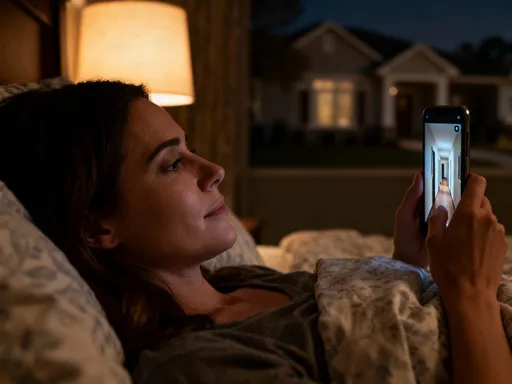
You know that knot in your stomach when a loved one drives off in bad weather? Or when your aging parent takes a long trip alone? We’ve all been there—wanting to protect those we care about, but feeling helpless once they’re out of sight. What if your car could do more than just get them from point A to B? What if it quietly watched over their well-being, too? That future isn’t far away. In fact, it’s already here, working behind the scenes in ways that feel less like science fiction and more like a gentle hand on the shoulder—reminding us we’re not alone on the road.
The Moment Everything Changed: A Simple Drive That Felt Different
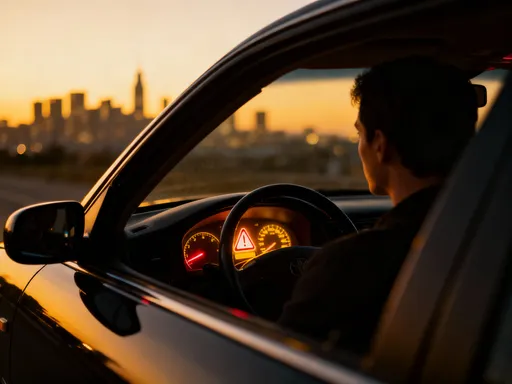
I remember the first time it happened. My sister was driving back from her weekly grocery run, just a 20-minute trip, nothing unusual. But that day, her car—our family’s newer model SUV—gave a soft chime, followed by a calm voice from the dashboard: “Fatigue detected. Consider taking a break.” She hadn’t even realized how tired she was after a sleepless night with her toddler. Her heart rate had been steadily rising, and the steering pattern showed slight micro-corrections—tiny signs of drowsiness most of us would miss. But the car didn’t. It wasn’t scolding her. It wasn’t flashing red alarms. It simply noticed, and it cared.
That moment hit me differently. I’ve always thought of cars as machines—strong, reliable, but emotionally distant. But this? This felt personal. It wasn’t just about avoiding accidents anymore. It was about protecting the person behind the wheel. And that shift— from vehicle safety to human wellness—has quietly reshaped how we think about driving. For so long, safety meant seatbelts, airbags, backup cameras. Now, it’s starting to mean something deeper: a car that watches over your health the way a loved one might, if they were sitting beside you.
Think about it. How many times have we sent our parents, our teens, our partners off with a quiet worry in our chest? We say “drive safe,” but what we really mean is “come back to me whole.” This new wave of car technology doesn’t eliminate that worry—it just gives us a little more peace. Because now, the car itself can be part of that promise.
When Cars Become Silent Guardians: The Rise of Health-Aware Driving
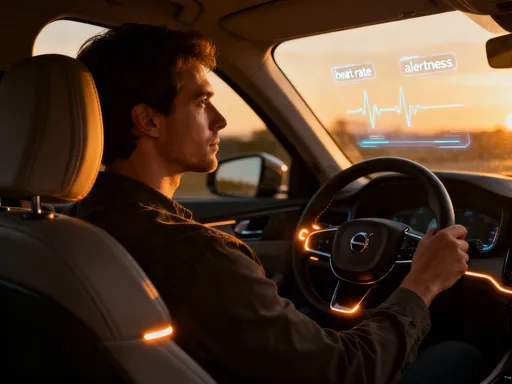
So how does it actually work? You might imagine some complicated medical device built into the dashboard, but it’s far simpler—and smarter—than that. Modern vehicles are now equipped with sensors that blend into the driving experience so seamlessly, you almost forget they’re there. The steering wheel, for example, can monitor your heart rate through subtle electrical signals picked up by your hands. The driver’s seat may include pressure sensors that track your posture and breathing patterns. Even the cabin camera—originally designed for driver attention monitoring—can now detect facial cues like eye flutter, yawning, or changes in skin tone that might signal stress or fatigue.
These aren’t futuristic prototypes. They’re real features in vehicles available today from several major manufacturers. And the goal isn’t to turn your car into a mobile clinic. It’s to make it a quiet guardian—one that pays attention when you’re too distracted, too tired, or too proud to admit you need a break. Imagine your car noticing that your pulse is spiking during rush hour traffic and gently suggesting a different route or a breathing exercise. Or sensing that your breathing has become shallow and reminding you to roll down the window for fresh air.
What’s powerful here isn’t just the technology—it’s the intention behind it. This isn’t about surveillance. It’s about support. It’s the difference between being watched and being cared for. And for many of us, especially those who carry the emotional weight of caring for others, that distinction matters. A car that helps you stay calm, focused, and healthy isn’t just a machine. It’s a partner in well-being.
More Than Just Alerts: How Health Monitoring Prevents Crises Before They Happen
Let’s be honest—most of us don’t think about our health while driving. We’re focused on the road, the kids in the back, the work call we’re about to join. But the truth is, driving is one of the most vulnerable times for undetected health issues. A sudden spike in blood pressure, an irregular heartbeat, or the early signs of a panic attack can all happen behind the wheel—and often go unnoticed until it’s too late.
That’s where health-aware cars make a real difference. By continuously monitoring vital signs, these systems can catch subtle changes before they become emergencies. For example, if the car detects an abnormal heart rhythm—something that might feel like a flutter or skipped beat—it can prompt the driver to pull over and rest. In more serious cases, it can even connect to emergency services automatically, sharing location and health data to speed up response time.
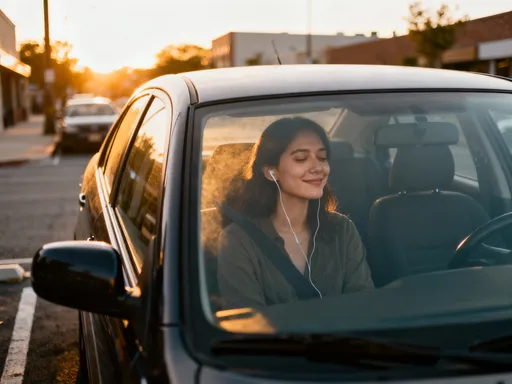
Think about the mom driving home after a night of little sleep, her body running on coffee and adrenaline. Her heart rate climbs, her grip on the wheel tightens, and her focus starts to waver. Without this tech, she might push through, thinking she just needs to “get home.” But with it, the car gently intervenes: “Stress levels elevated. Would you like to hear a calming playlist?” It’s not about taking control—it’s about offering care at the exact moment it’s needed.
Or consider someone managing a chronic condition like hypertension. A long drive could unknowingly push their body into danger. But now, their car can serve as an early warning system, helping them make smarter choices in real time. This isn’t about fear. It’s about empowerment. And for families, it’s about knowing that even when they’re not in the car, someone—or something—is looking out for their loved one.
Seamlessly Built In: No Wristbands, No Apps, Just Smarter Rides
One of the biggest hurdles with health tech? We forget to use it. The smartwatch that sits on the nightstand. The fitness app we downloaded with good intentions but never opened again. We want to be healthier, but we don’t want the hassle. That’s why in-car health monitoring is such a game-changer—it works without asking anything of you.
You don’t need to charge it. You don’t need to log in. You don’t even need to think about it. The moment you sit down and place your hands on the wheel, the system begins its quiet watch. It’s passive, effortless, and completely integrated into your daily routine. No extra gadgets. No blinking lights. Just a smarter ride that adapts to you, not the other way around.
It’s like having a smart home that adjusts the temperature before you feel cold, or turns on the lights as you walk in—except this system responds to your body. If it senses you’re tense, it might dim the lights, play soothing music, or suggest a breathing exercise. If it detects drowsiness, it could increase cabin temperature, release a burst of fresh air, or recommend a rest stop ahead.
And the beauty is, it’s accessible to everyone—not just tech enthusiasts. My mother, who still calls her smartphone “the little computer,” loves her new car’s fatigue alert. She doesn’t care how it works—she just knows it’s looking out for her. That’s the power of design that puts people first. Technology should serve us, not confuse us. And when it’s built into something as familiar as a car, it feels less like an upgrade and more like a friend who’s always paying attention.
A Gift of Care: Why This Matters Most for Aging Parents and New Drivers
There are two relationships where this technology hits especially close to home: caring for aging parents and guiding young drivers. Both come with their own kind of worry—the kind that keeps you up at night, even when everything seems fine.
For parents growing older, the ability to drive is often tied to independence. It’s how they run errands, visit friends, and maintain a sense of control. But as families, we worry. Is it safe? Are they tired? Are they reacting quickly enough? Instead of taking the keys away—a painful conversation no one wants to have—this technology offers a middle path. It lets them keep driving while adding a layer of protection. The car becomes a silent co-pilot, ready to step in if something feels off.
I’ve heard from so many women—just like me—who’ve found relief in this. One friend told me, “Knowing my mom’s car will alert her if she’s too tired to drive? It’s like giving her freedom with a safety net.” And that’s exactly it. It’s not about control. It’s about care. It’s about saying, “I trust you, and I want you to be safe.”
Then there are our young drivers—teens just starting out on the road. We’ve all been there: teaching them to check mirrors, signaling, watching for pedestrians. But no amount of practice can prepare them for every moment of distraction or stress. Now, imagine a car that gently reminds them to focus, that notices when their heart rate spikes during a downpour, or when they’re driving too fast for the conditions. It’s not about punishment. It’s about guidance—like having a calm voice in the car, even when we’re not there.
And here’s the thing: it strengthens connection. Instead of calling every 10 minutes to check in, we can trust that the car is doing it for us. We’re not hovering—we’re supporting. And that changes the conversation. It becomes less about fear and more about confidence.
Privacy Without Paranoia: How Your Data Stays Yours
Of course, with any technology that watches over us, questions about privacy are natural. “Is my car spying on me?” It’s a fair concern. After all, we’re talking about personal health data—heart rate, stress levels, even fatigue patterns. That’s sensitive stuff.
But here’s the good news: most of these systems are designed with privacy as a priority. The data is typically stored locally in the car, not sent to the cloud unless you choose to share it. It’s encrypted, protected, and only accessible with your permission. Think of it like a doctor’s office—your information is used for your well-being, not for advertising or tracking.
And you’re in control. You can opt in or out of health monitoring features at any time. You decide who sees the data—whether it’s your family doctor, a trusted relative, or no one at all. The car doesn’t judge. It doesn’t report. It simply offers help when needed, and respects your boundaries when not.
Manufacturers know that trust is everything. If people feel exposed, they won’t use the technology—no matter how helpful it is. So the focus is on transparency, choice, and security. It’s not about collecting data. It’s about protecting lives. And when you understand that, the fear starts to fade. Because this isn’t about being watched. It’s about being looked after.
The Road Ahead: Driving Toward a Kinder, Calmer Future
When I look at where car technology is going, I don’t see faster speeds or flashier dashboards. I see something quieter, deeper, and far more meaningful. I see cars that help us arrive not just safely, but better—more rested, more aware, more in tune with ourselves.
This isn’t just innovation for the sake of progress. It’s innovation with purpose. It’s technology that doesn’t demand our attention but gives us care. It’s a shift from machines that serve us to machines that support us—emotionally, physically, and even spiritually.
And for those of us who carry the quiet weight of loving others—the moms, the daughters, the sisters, the caregivers—this feels like a gift. It’s not about replacing human connection. It’s about extending it. It’s about knowing that even when we can’t be there, our love can still be felt, carried forward by a system designed with compassion at its core.
So the next time you see a loved one drive away, and that familiar knot forms in your stomach, remember: the road is changing. It’s becoming smarter, yes, but more importantly, it’s becoming kinder. And maybe, just maybe, that quiet chime from the dashboard isn’t just a warning. It’s a whisper: “You’re not alone. I’ve got this.”
In a world that often feels rushed and disconnected, that kind of reassurance is priceless. It’s not just about getting from point A to point B. It’s about making sure we all arrive whole—body, mind, and heart. And if our cars can help us do that, then this isn’t just the future of driving. It’s the future of care.