Cut my nightly anxiety by 80%: The simple camera setup that finally gave me peace of mind
You know that uneasy feeling when you’re lying in bed, wondering if the front door is locked or if the kids are okay? I used to toss and turn every night, my mind racing with “what ifs.” Then I tried something simple—just one small camera in the hallway. It didn’t change my house, but it changed how I felt in it. That tiny shift brought real relief. If you’ve ever wanted to feel safer at home without complicating your life, this is for you. I’m not a tech expert, just someone who wanted to stop feeling on edge after dark. And what I discovered might surprise you: peace of mind doesn’t come from high-tech systems or expensive alarms. It comes from one small, thoughtful choice that fits quietly into your life. Let me tell you how it started.
The Nighttime Worry No One Talks About
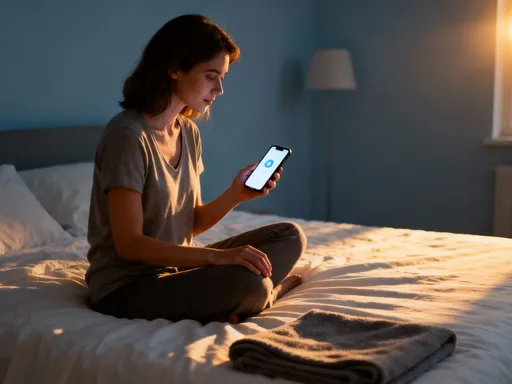
It was 2:17 a.m. again. The house was quiet, but my mind wasn’t. I lay there, staring at the ceiling, replaying the night in my head. Did I check the back door? Was the garage closed all the way? What if the dog slipped outside when no one was looking? And the kids—were they really asleep, or had one of them wandered into the hallway? I wasn’t paranoid. I was just a mom, trying to keep everything together. But that little voice in my head—the one that whispers what if?—had turned into a constant hum, keeping me from real rest.
I thought I was the only one. Then I started talking to other women—friends, neighbors, even my sister—and realized how common it was. We don’t talk about it much, but so many of us lie awake, carrying the invisible weight of responsibility. It’s not about fear of intruders or disaster movies. It’s the small, everyday uncertainties that pile up. Did the oven get turned off? Is the baby breathing okay? Did I leave the keys in the ignition? That low-level anxiety isn’t dramatic, but it’s exhausting. And over time, it wears you down.
Here’s what I’ve learned: feeling safe isn’t about eliminating every possible risk. That’s impossible. It’s about reducing the mental load. It’s about replacing doubt with clarity. For years, I thought I had to choose between ignoring my worries or installing a complicated security system with cameras on every wall. But there’s a middle ground—one that’s simple, affordable, and actually works. And it starts with just one camera, placed in the right spot, doing one quiet job.
How a Single Camera Changed My Nights
I didn’t go all-in at first. I wasn’t ready to turn my home into a surveillance hub. I just wanted to stop second-guessing myself. So I bought one small indoor camera—nothing fancy. It was about the size of a coffee mug, white, with a little lens on the front. I set it up in the hallway outside the kids’ rooms, pointed toward the stairs and the front of the house. That’s it. No extra sensors, no doorbell cam, no outdoor lights. Just one view, one angle, one moment of reassurance.
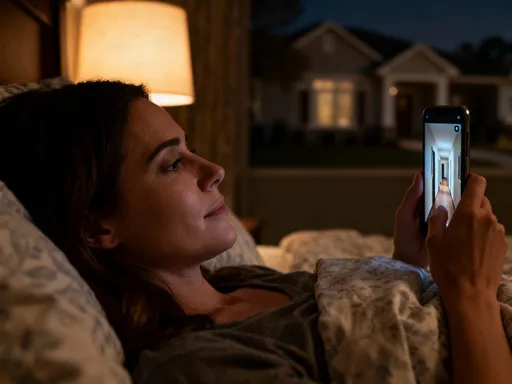
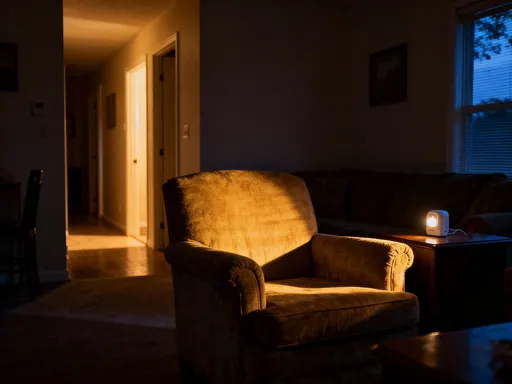
The first night, I opened the app before bed. I saw the dark hallway, the kids’ closed doors, the faint glow from the nightlight. I didn’t see anything alarming. In fact, I saw nothing at all. But that was the point. I saw *normal*. And for the first time in months, I didn’t lie there imagining the worst. I didn’t need to. I had proof. That simple image—a still, quiet hallway—was enough to quiet my mind.
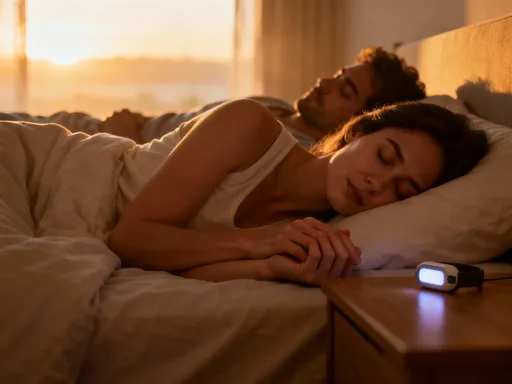
Over time, I started using it less and less. Not because I forgot about it, but because I trusted it. I didn’t need to check every night. But knowing I could—that if I woke up uneasy, I could glance at my phone and see everything was as it should be—that made all the difference. It wasn’t about watching my home like a detective. It was about giving myself permission to rest. And honestly? I started sleeping through the night again. Not because the house changed, but because my relationship with it did.
Why Simplicity Beats Overcomplicated Systems
I had a friend who went the other direction. She installed a full home security system—cameras in every room, motion sensors on the doors, alerts for every little thing. At first, she felt safer. But within weeks, her phone was blowing up with notifications. Motion detected in the kitchen. Back door opened. Garage door ajar. Most of the time, it was the cat, or her husband getting a glass of water, or the neighbor’s tree branch brushing the window. But each alert pulled her back into that state of high alert. She wasn’t more secure—she was more stressed.
That’s when I realized: more tech doesn’t always mean more peace. In fact, sometimes it does the opposite. When every little movement triggers a buzz, your brain stops distinguishing between real threats and everyday life. You start living in reaction mode, not calm awareness. It’s like trying to fall asleep with the lights flashing on and off all night. The intention was good, but the result was exhaustion.
That’s why I love the idea of starting small. One camera. One view. No alerts unless you want them. It’s not about monitoring every corner—it’s about answering one question: Is everything okay? And when the answer is yes, you can let go. Think of it like using a flashlight instead of turning on every light in the house. You don’t need to flood the space. You just need to see enough to feel confident. That’s adaptability—tech that fits your life, not the other way around.
Making Tech Work for Your Family’s Rhythm
Every home is different. That’s why a one-size-fits-all system never really works. Some of us live in apartments, some in big houses. Some have pets that roam at night, others have babies who need quiet. Some of us are home all day, others are gone for hours. The key isn’t copying someone else’s setup—it’s designing one that matches your rhythm.
Take my cousin, for example. She’s a renter, lives in a small two-bedroom, and her biggest worry is her elderly mom walking to the kitchen at night. She didn’t want cameras in the bedroom—too intrusive. So she placed one at the end of the hall, just to see if her mom got up. She paired it with a motion-activated nightlight. When the camera detects movement, the light turns on softly. No alerts, no noise. Just a gentle glow to guide her mom and a quiet reassurance for her. It’s not about surveillance—it’s about care.
Then there’s my neighbor, a single dad with two teens. His worry isn’t break-ins—it’s whether his kids made it home safely after late study sessions. He uses a simple door sensor on the front door. When it opens, he gets a quiet notification. Not an alarm, not a siren—just a little chime on his phone. He doesn’t track them. He just knows they’re home. And that small signal lets him sleep easier. It’s not about control. It’s about connection.
The point is, you don’t have to build a fortress. You just need one or two thoughtful tools that support your family’s real life. Whether it’s checking on a pet, making sure the garage is closed, or knowing your teenager walked in the door—these small moments add up to big peace of mind.
Setting It Up Without the Stress
I’ll be honest—I was nervous about setting it up. I’m not tech-savvy. I don’t like reading manuals. I’ve unplugged routers just to stop them from blinking. So when I opened the box, I braced for frustration. But it was shockingly simple. Plug in the camera. Download the app. Scan the QR code. Wait 30 seconds. Done.
No wiring. No drilling. No confusing settings. I didn’t need a degree in engineering or a teenager to help me. I just followed the steps on my phone, and within minutes, I was looking at a live feed of my hallway. I remember saying out loud, ‘Wait, it really connects in 30 seconds?’ My husband walked by and said, ‘Yep. Try it.’ And I did. I tapped the app, and there it was—my house, calm and still, just as I left it.
Placement matters, though. I moved it a few times before finding the sweet spot. At first, I had it too close to the stairs, and the angle was awkward. Then I tried the living room, but it didn’t give me the view I needed. Finally, I settled on the hallway—high enough to see the doors, far enough to avoid glare from the nightlight. It’s not about perfection. It’s about function. And once it was in the right spot, I forgot about it—except when I needed it.
If you’re nervous, start there. One camera. One outlet. One corner of your home. You don’t have to do it all at once. You don’t have to spend a lot. Most of these devices are under $100, and many work with free apps. You’re not buying a system—you’re buying a little more confidence.
Small Changes, Bigger Confidence
What surprised me most wasn’t just better sleep—it was how that one small change rippled through the rest of my life. I stopped nagging my husband about the front door. I didn’t text my teens five times to ask if they locked up. I stopped walking through the house before bed, checking every knob and switch. That mental load? It lifted.
And it wasn’t just me. My daughter noticed. She said, ‘Mom, you seem calmer at night.’ My son asked if he could leave his door open now, since ‘the camera watches the hall.’ Even the dog seemed to relax—maybe because the house felt quieter, less tense. It’s amazing how much emotional energy we pour into worry. And how freeing it feels to redirect that energy somewhere else.
I found I could focus better during the day. I wasn’t carrying that low-grade anxiety into my work, my conversations, my parenting. I had more patience. More presence. And honestly, more joy. Because when you’re not constantly bracing for something to go wrong, you can actually enjoy what’s going right. That’s the real gift of feeling safe—not just peace at night, but confidence in your days.
Peace of Mind Isn’t Perfect—It’s Possible
I’ll be honest: I still have moments of doubt. Sometimes I wake up and wonder if I really saw the front door locked. But now, instead of letting that thought spiral, I take a breath and open the app. One glance, and I’m reassured. It’s not about never worrying again. It’s about having a tool that helps you find your way back to calm.
Peace of mind isn’t about a flawless system. It’s not about cameras on every wall or alarms on every window. It’s about small, meaningful choices that add up. It’s about knowing you don’t have to control everything—just that you’re more prepared than you think. And sometimes, that preparation is as simple as one camera in the hallway.
If you’ve been lying awake, carrying the weight of “what ifs,” I want you to know this: you’re not overreacting. Your worry comes from love—from wanting to protect your home, your family, your peace. But you don’t have to stay stuck in that cycle. You can take one small step. Try one camera. See how it feels. Adjust it. Make it yours. Tech shouldn’t complicate your life. It should help you live it more fully.
You don’t need to be a tech expert. You just need to care—and be willing to try something that might make your nights a little easier. Because you deserve to rest. You deserve to feel safe. And sometimes, that safety comes not from doing more, but from knowing enough.