Tested 3 Vehicle Maintenance Apps for 6 Months: This One Made My Commute Stress-Free
You know that nagging feeling when your car’s dashboard lights up—and you have no idea what it means? I’ve been there, stranded on the highway with a cold coffee and a panic attack. Over the past six months, I tested three popular vehicle maintenance reminder apps, not as a tech expert, but as someone who just wants to get to work on time without car trouble. What I found wasn’t just about oil changes—it was about peace of mind, smarter habits, and staying one step ahead, even on the busiest workdays. This journey changed how I see my car, my time, and the quiet power of tools that work quietly in the background, just like a good friend who always remembers your birthday.
The Morning Chaos: When Car Trouble Hits During Rush Hour
It started on a Tuesday—gray sky, packed traffic, and me already ten minutes late. I’d rushed out the door after helping my youngest with a last-minute science project, forgetting to pack my lunch and double-checking that I turned off the stove. As I turned the key, a cluster of warning lights blinked on the dashboard: one red, one yellow, one that looked like a tiny engine. My heart dropped. I sat there, gripping the wheel, trying to remember what each symbol meant. Was it serious? Could I drive to work and deal with it later? Or was this the start of a tow truck bill and a missed client meeting?
I ended up calling my brother, who knows a little about cars. "If it’s the check engine light," he said, "it could be anything from a loose gas cap to a failing sensor." Not exactly reassuring. I drove in, white-knuckling it the whole way, every bump making me flinch. That day, I was distracted, anxious, and late to three calls. The car made it—but I didn’t. My confidence didn’t. That moment stuck with me. It wasn’t just about the car; it was about how one small, unpredictable problem could unravel an entire day. I realized I’d been treating my car like a background player in my life—until it demanded center stage. And I wasn’t ready.
Looking back, I see how many of us—especially those of us juggling work, family, and personal goals—tend to ignore vehicle maintenance until it screams at us. We’re not careless; we’re just overwhelmed. There’s always something more urgent: school pickups, work deadlines, a parent’s birthday. But a car isn’t like a phone you can switch off. It’s your independence, your safety net, your daily companion. When it falters, everything slows down. That Tuesday morning was my wake-up call. I needed a system—something smarter than memory, more reliable than luck.
Why Traditional Methods Failed Me
Before the apps, I tried everything to stay on top of car care. I stuck a bright pink Post-it on my windshield with "Oil Change – June 15" written in bold marker. It faded in the sun by June 3. I set calendar alerts on my phone, but I’d snooze them like morning alarms, telling myself, "I’ll do it next week." I even kept a folder in my glove compartment labeled "Service Records," but it quickly filled with old receipts, expired coupons, and a crumpled map from a road trip two summers ago. The system wasn’t working. It relied too much on me being perfectly organized—and let’s be honest, none of us are.
What I learned is that car maintenance doesn’t fit neatly into our daily rhythms. It’s not like brushing your teeth or packing a lunch. It’s irregular, easy to postpone, and often feels disconnected from our immediate needs. We know it’s important, but it lacks urgency—until it’s too late. I’d go months without thinking about my tires, only to notice uneven wear during a rainy drive, my heart racing as the car skidded slightly on a curve. Or I’d forget a cabin air filter replacement and wonder why the AC smelled musty every time I turned it on. These weren’t emergencies, but they were signs—small whispers that I wasn’t listening to.
The truth is, our brains aren’t wired to remember tasks that don’t happen every day. We rely on cues: a low fuel light, a birthday reminder, a grocery list app. But car maintenance? It’s invisible until it isn’t. And by then, the cost—both financial and emotional—can be high. I once ignored a soft grinding noise from my brakes for weeks, telling myself it was just the weather. It wasn’t. The repair ended up costing three times what a simple inspection would have. That was the final straw. I needed a tool that didn’t depend on my memory, one that could anticipate, remind, and guide—without adding to my mental load.
Discovering the Right App: A Friend’s Casual Recommendation
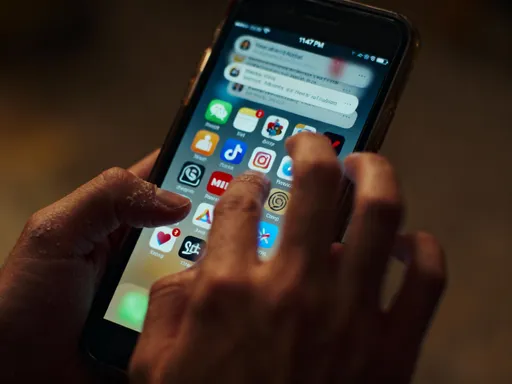
I wasn’t looking for a tech revolution. I just wanted to stop worrying about my car. Then, during a Saturday morning coffee with my friend Lisa, she mentioned offhand, "I love how my car app reminds me about tire rotations. It’s like a little nudge from someone who actually cares." I laughed—because who cares about tire rotations? But she explained how the app had saved her from a flat tire last winter, alerting her to low tread depth before a road trip. She showed me her phone: a clean, simple screen with icons for oil, brakes, tires, and inspections. The notification read, "Time for your 12,000-mile check-up. Want to schedule?" It felt… kind. Human.
Curious, I downloaded the same type of app that day—no fanfare, no expectations. I entered my car’s make, model, and current mileage, and it instantly created a personalized maintenance plan based on manufacturer guidelines. No complicated setup, no tech jargon. It even asked if I wanted reminders for seasonal checks—like battery health before winter or AC performance before summer. Within minutes, I had a clear timeline of what my car needed and when. The first alert came three days later: "Your next oil change is due in 500 miles." Not urgent. Not pushy. Just there.
What surprised me was how quickly I started trusting it. The tone wasn’t robotic or demanding. It used phrases like "Hey, just checking in" or "Your car’s doing great—let’s keep it that way." It felt like a supportive friend, not a nagging boss. And because the alerts were gentle and well-timed, I actually paid attention. I didn’t feel overwhelmed or guilty. I felt informed. That first week, I realized something important: the right tool doesn’t just give you information—it changes how you feel about the task itself. Car maintenance stopped being a chore I dreaded and started feeling like a small act of care, like watering a plant or charging your phone overnight.
How the App Became My Workday Safety Net
My real test came during a brutal week—back-to-back meetings, a school play, and a sick dog. On Wednesday, I got a quiet notification: "Oil change overdue. Schedule now?" I almost ignored it, but something made me tap the link. The app showed three nearby service centers, with real-time availability and average customer ratings. One was just ten minutes from my office and had an opening at 12:30—perfect for lunch. I booked it in seconds. No calls, no waiting on hold, no surprise fees. I went, ate my sandwich in the waiting area, and was back by 1:15.
Two days later, my check engine light came on. But instead of panic, I felt calm. I opened the app, which had already logged the service and noted that the oil and filter were changed. It suggested a quick diagnostic scan at the same garage. I made another appointment, and the technician found a loose gas cap—fixed in two minutes. No tow truck. No missed work. No drama. That moment was a turning point. The app hadn’t just reminded me; it had protected me. It turned a potential crisis into a minor hiccup.
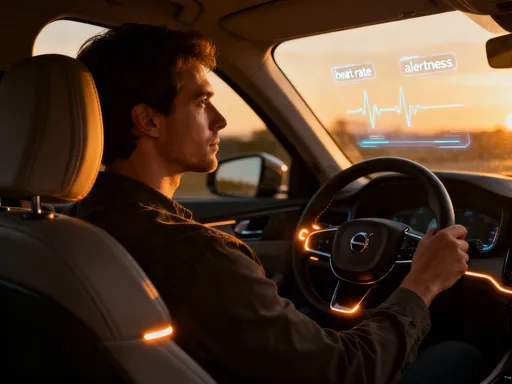
Over time, I noticed how much mental space this freed up. I wasn’t constantly wondering, "Is my car okay?" I wasn’t adding "call mechanic" to my to-do list every other week. The app handled the tracking, the timing, the recommendations. It even sent a follow-up after service: "Your car’s all set! Next up: brake inspection in 3,000 miles." This wasn’t just convenience—it was peace of mind. I could focus on my presentation, help my daughter with homework, or just enjoy a quiet cup of tea, knowing my car was being looked after. It became part of my routine, like checking the weather or setting my alarm. Simple. Reliable. There.
Small Alerts, Big Emotional Relief
What I didn’t expect was how much less anxious I’d feel. Before, every strange noise or dashboard flicker sent me into a spiral: "Is this going to cost hundreds? Will I be stranded?" Now, those moments are quieter. When I hear a new sound, I don’t panic—I check the app. It gives me a sense of control, like I’m not flying blind anymore. I’ve learned to trust the process, not just the tool. And that confidence spills over into other parts of life. If I can manage my car with calm and clarity, maybe I can handle that budget meeting or plan a family vacation without stress.
I started seeing my car differently—not as a machine that might fail me, but as a partner that needs regular care. The app helped me build that relationship. It taught me what each service does, why timing matters, and how small actions prevent big problems. I now know that rotating tires every 6,000 miles extends their life and improves safety. I understand that changing cabin air filters keeps the air inside clean, especially important for my son who has seasonal allergies. These aren’t just tasks; they’re choices that protect my family and my time.
There’s a quiet dignity in taking care of what you rely on. The app didn’t make me a car expert, but it made me a better steward. I feel proud when I see the maintenance log fill up, like I’m honoring the car that gets me where I need to go. And emotionally, that’s huge. In a world that often feels chaotic, having one dependable system—something that works without fanfare—brings a deep sense of stability. It’s not glamorous, but it’s real. And for someone like me, who values calm over chaos, it’s everything.
Sharing It With My Circle: The Friend Group Chat That Changed Everything
One evening, over wine and takeout, I told my close friends about the app. We were laughing about past car disasters—Sarah’s flat tire during a snowstorm, Maria’s "check engine" light that turned into a $1,200 repair, my own highway panic. We all admitted we’d been winging it, relying on memory, guesswork, or the kindness of a mechanic who might not always have our best interest in mind. Then I showed them the app. Within minutes, three of us had downloaded it. We started a group chat called "Car Moms," where we share reminders, celebrate completed services, and warn each other about shady garages.
It became a small ritual—like our book club or weekend walks. We’d send screenshots: "Oil change done!" or "Tire rotation reminder just popped up—thanks, tech babysitter!" We even started comparing notes on service quality, creating our own informal network of trusted mechanics. What began as a personal tool became a shared experience. We weren’t just maintaining our cars; we were supporting each other in taking care of ourselves. It felt empowering, like we’d reclaimed a piece of control in our busy lives.
One friend, who’d always said, "I don’t do tech," now uses the app to track her aging sedan. "It’s like having a quiet voice that says, ‘You’ve got this,’” she told me. Another started teaching her teenage daughter how to read maintenance alerts, turning it into a life skills lesson. These moments reminded me that technology, at its best, doesn’t isolate us—it connects us. It gives us common ground, shared language, and a reason to check in. In a world that often pulls us in different directions, having a simple tool that brings us together—even over something as ordinary as car care—feels like a small victory.
Making It Stick: How I Built a Maintenance Habit Without Trying
Six months in, I no longer think of car maintenance as something I have to do. It’s something I want to do. The app didn’t just remind me—it educated me, gently and consistently. I now understand my car’s rhythm: when fluids need changing, when belts should be inspected, when batteries tend to fail. I’ve learned to spot patterns, like how frequent short trips wear down the battery faster. This knowledge has made me more confident, more proactive, and less reactive.
What’s beautiful is that I didn’t have to force this habit. It grew naturally, like a plant watered regularly. The app made it easy, seamless, and even a little satisfying. Each completed service feels like a small win—a quiet "I took care of that." And over time, those small wins add up. My car runs smoother, my repair bills are lower, and my stress levels have dropped. I’m not just saving money; I’m saving energy, time, and emotional bandwidth.
I’ve come to see vehicle care as an act of self-respect. It’s about protecting the time I have, the people I love, and the life I’m building. A well-maintained car means fewer surprises, more reliability, and greater freedom. It means I can say yes to last-minute plans, drive long distances without fear, and trust that I’ll get where I need to go. That’s not just convenience—it’s peace. And in a world that often feels too fast, too loud, too much, peace is the most valuable thing we can give ourselves.
If you’ve ever felt that knot in your stomach when your car makes a strange noise, or put off a service because life is too busy, I get it. We’re all doing our best. But sometimes, the best thing we can do is let a little technology help. Not to replace us, but to support us. To be the quiet voice that says, "You’ve got this. I’ve got your back." Try a maintenance app. Not because you’re behind, but because you deserve to move through your days with a little more ease, a little more confidence, and a lot more peace. Your car—and your future self—will thank you.