Tired of Juggling Life’s Chaos? This Tool Brought Everything Together
Life moves fast, and keeping up—with tasks, goals, learning, and personal growth—can feel overwhelming. I used to miss deadlines, forget habits, and lose track of what really mattered. Then I found a simple tool that changed everything. It didn’t just organize my schedule—it connected my daily actions to my bigger dreams. If you’re craving clarity and calm in the chaos, this is the starting point you’ve been looking for. You’re not behind. You’re not failing. You just haven’t found the right way to hold it all together—yet.
The Breaking Point: When Life Feels Like a Scattered Puzzle
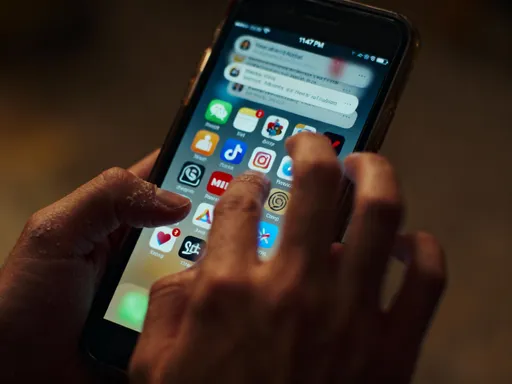
Remember that Sunday night when you sat down, looked at your week ahead, and felt your chest tighten? I do. It was raining outside, the kids were arguing over toys, dinner was half-prepared, and I had promised myself I’d finally start that online course on mindfulness. But instead of logging in, I stared at three different tabs on my phone—my calendar, a to-do list in notes, and a habit tracker buried in another app. None of them talked to each other. My goals felt like they were floating in separate rooms, each one calling for attention, none getting it.
I wasn’t lazy. I wasn’t uncommitted. I was just scattered. I’d write down a task on Monday, forget to check it by Wednesday, and by Friday, it felt too late to start. I wanted to read more, eat better, learn something new, be more present with my family—but every intention got drowned in the noise of daily life. I’d tell myself, “Next week will be better,” but next week looked exactly the same. The truth? I was trying to manage a full life with half-built systems. And it was costing me more than time—it was costing me peace.
There’s a quiet ache that comes with feeling like you’re always one step behind. It’s not dramatic. No alarms go off. But it shows up in small ways: the guilt when you skip a workout, the frustration when you forget your sister’s birthday, the disappointment when you realize you haven’t opened that book in weeks. I began to wonder—was I the problem? Was I just not disciplined enough? But then I realized something: maybe the problem wasn’t me. Maybe it was the way I was trying to hold everything together.
Discovering the Right Tool: More Than Just a Planner
It started with a coffee chat. My friend Sarah—someone I’ve always admired for how calm and collected she seems—mentioned offhand, “I don’t plan my life in pieces anymore. I use one place for everything.” I almost laughed. One place? For tasks, goals, habits, learning? That sounded too good to be true. I pictured some complicated dashboard full of graphs and timers, something that would take more energy than it saved.
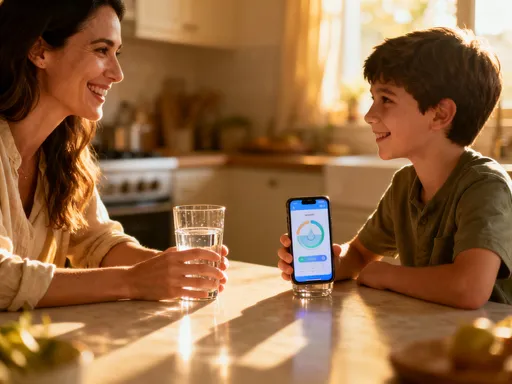
But curiosity got the better of me. She showed me her screen—just a clean, simple layout with a daily view. On it: her work meetings, her daughter’s piano lesson, a reminder to drink water, a five-minute journal prompt, and a progress bar for the Spanish course she was taking. Everything in one glance. No switching apps. No mental gymnastics. And at the bottom, a little note she’d written to herself: “Proud of showing up today.”
That was the moment I realized this wasn’t about productivity for productivity’s sake. It was about alignment. This kind of tool—let’s call it an integrated life platform—wasn’t just organizing her time. It was helping her live on purpose. I decided to try one for myself, not because I thought it would be perfect, but because I was tired of feeling disconnected from my own life.
The first week was awkward. I kept forgetting to check it. I’d open my old notes app out of habit. But then came the “aha” moment. On Sunday evening, the tool prompted me to do a weekly review. I saw that I’d completed 12 out of 15 tasks, kept up with my water habit for five days, and spent 90 minutes learning about nutrition. More than that, I saw how those small things linked to my bigger goal: feeling healthier and more in control. For the first time in years, my daily actions weren’t just chores—they were steps forward.
How It Transformed Daily Routines: From Overwhelm to Flow
Mornings used to be a race. Wake up, check emails, scramble to get the kids ready, forget my keys, spill coffee, and leave the house feeling like I was already behind. Now? I wake up 15 minutes earlier—just enough time to sit with my tea and open the tool. I see my day laid out: three tasks, two personal goals, and a five-minute breathing exercise I’d scheduled for stress relief. Nothing fancy. But everything in one place.
Here’s what changed: I no longer feel like I’m reacting to life. I’m meeting it with intention. When I see that I have a work deadline and a parent-teacher meeting on the same day, I can adjust earlier. When I notice I’ve been skipping my evening walk, the tool gently reminds me—“You’ve missed three days. Want to reschedule?” It’s not nagging. It’s caring. Like a friend who knows you well enough to say, “Hey, you’ve got this. Don’t forget what matters.”
One morning, my son asked, “Mom, why do you seem calmer lately?” I didn’t have a dramatic answer. I just said, “Because I finally know what’s coming, and I know I can handle it.” That’s the real shift—not just doing more, but feeling more capable. The tool doesn’t do the work for me. But it gives me the clarity to do it myself. And that changes everything.
Even small wins build confidence. Last week, I finished a project I’d been avoiding for months. Not because I suddenly had more time, but because the tool broke it into tiny steps. “Outline first section” on Monday. “Gather references” on Tuesday. Each checkmark felt like progress. By Friday, I was done. And the best part? I didn’t have to stress about what to do next—the tool already had it ready.
Learning with Purpose: Turning Curiosity into Progress
I’ve always loved learning. New recipes, gardening tips, history documentaries—I’m the one who gets lost in YouTube rabbit holes at 11 p.m. But most of it never stuck. I’d watch a video, feel inspired for a day, then forget. The knowledge was there, but it wasn’t becoming part of my life.
Then I discovered the learning community inside the tool. It wasn’t a huge forum or a noisy group chat. Just a small circle of women—some stay-at-home moms, some working part-time, all juggling life like me—who were using the platform to grow. We shared weekly updates: “I finished my first chapter!” or “I tried time-blocking and it saved my week.” No pressure. No competition. Just encouragement.
One woman, Maria, posted about how she used time-blocking to finish a photography course while raising two toddlers. Her tip? “Block 20 minutes after lunch. It’s short, but it adds up.” I tried it the next day. And the day after. Within a week, I’d completed three lessons—more than I’d done in the past month. It wasn’t magic. It was momentum.
What surprised me most was how connected I felt. Learning used to be something I did alone, in silence. Now, it’s something I share. When I posted that I’d read 50 pages of a self-help book, three people responded with hearts and “So proud of you!” That tiny bit of recognition made me want to keep going. It reminded me that growth isn’t selfish—it’s something we can celebrate together.
Building Habits That Stick: The Quiet Power of Consistency
I’ve tried every habit tracker out there. Paper journals, sticker charts, apps with fancy animations. But nothing stuck—until this one. Why? Because it didn’t just track what I did. It asked how I felt about it.
Take reading. For years, I said I wanted to read more. But I’d start strong, then drop off. This time, I set a goal: 20 minutes a day. The tool reminded me every evening. But here’s the difference: after three days, it asked, “How did reading make you feel tonight?” I wrote, “Calm. Like I was giving myself a gift.” That simple reflection changed everything. It wasn’t just about checking a box. It was about remembering why I wanted the habit in the first place.
The visual streak—those little green dots that appear when you complete a habit—became something I looked forward to. Not because I’m chasing perfection, but because I could see my effort adding up. When I missed a day, the tool didn’t shame me. It said, “It’s okay. Want to reschedule for tomorrow?” And I usually did.
One night, my daughter noticed the streak on my screen. “You’ve read for 18 days in a row!” she said, eyes wide. I hadn’t even realized. But hearing her say it made me feel proud. Not because of the number, but because I was modeling something for her: that small, consistent actions create change. That showing up—even when it’s hard—matters.
Sharing Growth: Strengthening Relationships Through Shared Goals
I’ll admit—I was nervous about inviting my husband into the tool. What if he thought it was too much? What if he didn’t want to share his goals? But I took a chance. Over coffee, I said, “What if we planned one thing together? Just one.” He looked curious. We decided to learn basic Italian—something we’d talked about for years but never started.
We created a shared goal in the tool. Every week, we blocked 15 minutes after dinner to practice. The tool sent us gentle reminders: “Time for your Italian moment!” Sometimes we’d laugh at our pronunciation. Sometimes we’d skip it because the kids needed help with homework. But the tool didn’t judge. It just waited for us to come back.
What surprised me was how this tiny ritual brought us closer. It wasn’t about becoming fluent. It was about doing something just for us. No chores, no logistics, no parenting—just two people learning together. And because we could both see our progress, we celebrated small wins: “First full sentence spoken!” or “Remembered five food words!”
But it went deeper. When I shared my personal goal of writing a short story, he didn’t just say “That’s nice.” He checked in: “How’s the story going?” Because he could see it in the tool, it felt real to him too. Our growth wasn’t separate anymore. It was part of our life together. And that made all the difference.
A Calmer, Clearer Life: What Changed Beyond Productivity
It’s been six months since I started using this tool. And while I’ve checked off tasks and built habits, the biggest changes aren’t on the screen. They’re in how I feel. My mind feels quieter. I’m less reactive. I don’t lose sleep worrying about what I might have forgotten. I’m more present—with my family, with my work, with myself.
Organizing my life wasn’t about control. It was about care. Care for my time. Care for my energy. Care for the dreams I’ve carried for years but never made space for. This tool didn’t give me more hours in the day. It helped me use the ones I have with more intention.
I used to think self-improvement meant pushing harder. Now I know it’s about aligning better. When your daily actions reflect your values, when your small choices point toward your big dreams, life doesn’t feel like a battle. It feels like a journey—one you’re actually enjoying.
So if you’re feeling scattered, if you’re tired of starting over every Monday, if you want to grow without burning out—consider this: maybe you don’t need more willpower. Maybe you just need a better way to hold it all together. A place where your tasks, your learning, your habits, and your heart can live in the same space. Because when everything fits, you don’t just get more done. You become more yourself.