Youth on Demand: How Science-Backed Moves Rewire Aging
As the years stack up, many of us notice subtle shifts—slower recovery, stiffer joints, fading energy. But what if aging isn’t just time passing, but a process we can influence? Grounded in research, not hype, targeted exercise doesn’t just maintain the body; it signals cells to act younger. This isn’t about turning back time, but working *with* biology to stay strong, mobile, and vibrant. Let’s explore how movement reshapes the aging story.
The Reality of Aging: More Than Just Wrinkles
Aging is often seen as a linear journey marked by visible changes—graying hair, deeper lines, a slower pace. Yet beneath the surface, biological aging begins decades before these signs appear. It unfolds at the cellular level, where processes like telomere shortening, mitochondrial dysfunction, and chronic low-grade inflammation quietly reshape how the body functions. Telomeres, the protective caps at the ends of chromosomes, shorten with each cell division. When they become too short, cells can no longer divide and enter a state of senescence or die. This contributes to tissue degeneration and reduced regenerative capacity. Research from institutions like the National Institutes of Health has shown that lifestyle factors, particularly physical activity, can slow this shortening process, effectively preserving cellular youth.
Mitochondria, often called the powerhouses of the cell, also decline with age. Their ability to produce energy diminishes, leading to fatigue and reduced stamina. This decline is linked to increased oxidative stress, which damages cells over time. Simultaneously, a phenomenon known as “inflammaging” takes hold—a persistent, low-level inflammation that doesn’t serve a protective purpose but instead contributes to chronic conditions such as arthritis, cardiovascular disease, and insulin resistance. Unlike acute inflammation, which resolves after an injury, inflammaging lingers, silently accelerating tissue damage.
Crucially, chronological age—the number of years since birth—is fixed. But biological age, a measure of how well the body’s systems are functioning, is malleable. Two people of the same chronological age can have vastly different biological ages based on lifestyle choices. A sedentary routine, poor sleep, and chronic stress can accelerate biological aging, while consistent physical activity, quality nutrition, and good sleep hygiene can slow it. Studies have demonstrated that individuals who engage in regular exercise can have biological ages up to 9 years younger than their sedentary peers. This reframes aging not as an inevitable decline, but as a dynamic process shaped by daily habits.
Exercise as a Biological Signal: What Science Actually Says
Physical activity does far more than improve appearance or endurance—it sends powerful signals to the body’s cells, influencing how genes are expressed and how metabolic pathways function. This concept, known as exercise as medicine, is supported by robust research from institutions such as the Mayo Clinic and the American College of Sports Medicine. When muscles contract during movement, they release signaling molecules called myokines, which communicate with other organs and tissues, including the brain, liver, and immune system. These signals trigger beneficial adaptations such as improved insulin sensitivity, reduced inflammation, and enhanced cellular repair mechanisms.
One of the most well-documented effects of exercise is its role in mitochondrial biogenesis—the creation of new mitochondria. Aerobic and resistance training stimulate the production of a protein called PGC-1α, which acts as a master regulator of mitochondrial health. With more and healthier mitochondria, cells produce energy more efficiently, reducing fatigue and supporting metabolic health. Additionally, exercise promotes autophagy, the body’s natural process of clearing out damaged cellular components. This cellular “cleanup” is essential for preventing the accumulation of dysfunctional proteins and organelles that contribute to aging and disease.
Exercise also influences epigenetics—the way genes are turned on or off without altering the DNA sequence itself. Physical activity has been shown to modify DNA methylation patterns, particularly in genes related to inflammation and metabolism. For example, regular exercisers exhibit lower methylation in the promoter region of the IL-6 gene, which regulates inflammation, leading to reduced systemic inflammation over time. These changes are not immediate, but with consistency, they create a biological environment that resists age-related decline. The body interprets regular movement as a sign of vitality and survival, prompting it to maintain and even enhance function rather than conserve resources.
Why Most Workouts Miss the Anti-Aging Mark
Despite growing awareness of exercise’s benefits, many fitness routines fall short in delivering meaningful anti-aging results. The most common pitfall is focusing solely on moderate, steady-state cardio—like 30-minute treadmill walks or leisurely cycling—without incorporating intensity, resistance, or variation. While these activities support heart health and calorie burning, they often fail to activate the deeper physiological pathways that preserve muscle, bone, and metabolic resilience. Without sufficient stimulus, the body adapts minimally, and the anti-aging potential of movement remains underutilized.
Another limitation is the absence of progressive overload—the gradual increase in stress placed on the body during exercise. Many adults stick to the same routine for years, performing the same number of repetitions with the same resistance, which leads to a plateau in strength and endurance gains. The body requires challenge to adapt, and without increasing demands, muscle mass continues to decline at a rate of 3% to 5% per decade after age 30. This loss, known as sarcopenia, is a major contributor to frailty, reduced mobility, and increased fall risk in older adults.
Additionally, many workouts neglect neuromuscular coordination and power—the ability to generate force quickly. Activities like lifting a grandchild, catching oneself during a stumble, or rising from a chair without using hands rely on fast-twitch muscle fibers and neural efficiency, which diminish with age if not trained. Traditional fitness programs often emphasize slow, controlled movements but overlook explosive or dynamic exercises that preserve functional strength. A balanced anti-aging regimen must include elements that challenge not just endurance, but also strength, speed, and balance, ensuring that movement remains practical and safe in real-life situations.
The Core Trio: Strength, Stability, and Stamina
An effective anti-aging exercise strategy rests on three foundational pillars: strength, stability, and stamina. Each plays a distinct yet interconnected role in maintaining physical function and vitality. Strength training is perhaps the most critical, as it directly combats muscle loss and supports bone density. Resistance exercises—whether using body weight, bands, or weights—create mechanical tension that signals muscle growth and repair. Over time, this preserves lean mass, boosts metabolism, and improves joint support. Studies show that adults who engage in regular strength training can increase muscle mass by 1.4 to 3.2 pounds over 10 weeks, even in their 60s and 70s.
Stability, often overlooked, is equally vital. It encompasses balance, coordination, and proprioception—the body’s ability to sense its position in space. Simple exercises like standing on one leg, heel-to-toe walking, or controlled weight shifts train the nervous system to respond quickly to changes in terrain or posture. This reduces the risk of falls, a leading cause of injury and loss of independence in older adults. Incorporating stability work into daily movement helps maintain confidence in mobility, whether navigating uneven sidewalks or reaching for items on high shelves.
Stamina, or cardiovascular endurance, ensures the heart and lungs can efficiently deliver oxygen to working muscles. While steady-state cardio has its place, high-intensity interval training (HIIT) offers superior benefits for anti-aging. Short bursts of intense effort followed by recovery periods improve VO2 max—the maximum amount of oxygen the body can use—more effectively than continuous moderate exercise. Improved cardiovascular efficiency translates to greater energy for daily tasks, better recovery, and enhanced cognitive function. Together, strength, stability, and stamina form a synergistic framework that supports long-term independence, resilience, and quality of life.
Practical Movement Blueprint: A Weekly Framework
Translating science into practice requires a realistic, sustainable plan. The following weekly framework is designed to align with research-backed principles while accommodating the realities of adult life. It emphasizes consistency over intensity, progression over perfection, and functionality over aesthetics. The goal is not to create an athlete, but to cultivate a body that moves well, feels strong, and remains capable across decades.
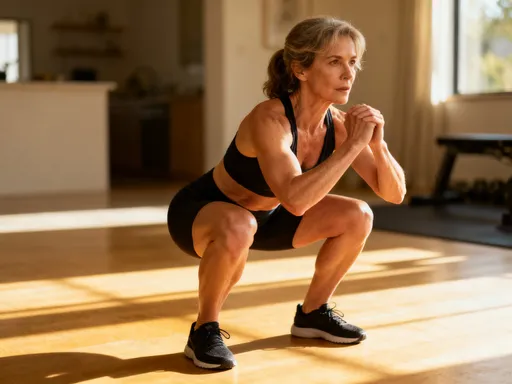
The week includes two strength training sessions, ideally spaced 48 hours apart to allow for recovery. Each session should focus on compound movements—exercises that engage multiple muscle groups at once. Examples include bodyweight squats, resistance band rows, step-ups, and modified push-ups. Perform 2 to 3 sets of 8 to 12 repetitions, gradually increasing resistance or difficulty as strength improves. For example, progress from chair-assisted squats to full squats, or from band rows to dumbbell rows. Proper form is essential: keep the spine neutral, engage the core, and move with control to prevent injury and maximize effectiveness.
One day per week should be dedicated to aerobic interval training. This could involve brisk walking with elevation changes—such as walking up and down a hill or using stairs—for 20 to 30 minutes, alternating 1-minute bursts of faster walking with 2 minutes of recovery. Alternatively, cycling or swimming can be used if joint comfort is a concern. The key is to elevate the heart rate during the work intervals while staying within a safe and manageable range. This type of training improves cardiovascular health, enhances mitochondrial function, and increases calorie burn even after the workout ends.
Two days should focus on mobility and stability. These sessions can be shorter—15 to 20 minutes—and include exercises like planks, bird-dogs, single-leg stands, and gentle dynamic stretches. Incorporate movements that challenge balance, such as standing on one foot while brushing teeth or walking heel-to-toe in a hallway. These practices enhance neuromuscular coordination and joint range of motion, reducing stiffness and improving posture. The final two days should include active recovery—light walking, gardening, or gentle yoga—to promote circulation and recovery without adding strain. This balanced approach ensures all three pillars are addressed without overwhelming the schedule.
Beyond the Gym: Integrating Movement into Daily Life
Exercise is only part of the equation. Equally important is non-exercise activity thermogenesis (NEAT)—the energy expended through daily activities like walking, standing, fidgeting, and household chores. Research suggests that NEAT can vary by up to 2,000 calories per day between individuals, making it a powerful determinant of metabolic health. For many adults, especially those with desk-based routines, prolonged sitting has become the norm, increasing the risk of insulin resistance, cardiovascular disease, and premature mortality. The solution isn’t necessarily more gym time, but more movement woven into the fabric of daily life.
Simple changes can yield significant benefits. Opt for the stairs instead of the elevator, park farther from store entrances, or take short walking breaks every hour if working from home. Stand while talking on the phone or preparing meals. These small shifts add up, improving circulation, reducing stiffness, and supporting glucose regulation. Walking after meals, particularly dinner, has been shown to lower postprandial blood sugar spikes, which is especially beneficial for metabolic health as insulin sensitivity declines with age.
Household tasks like vacuuming, gardening, or washing the car also count as movement. Rather than viewing them as chores, reframe them as opportunities to stay active. Even standing burns more calories than sitting and engages core muscles to maintain posture. Using a standing desk or a sit-stand converter can further reduce sedentary time. The cumulative effect of these habits creates a lifestyle of motion, reducing reliance on formal workouts while maintaining metabolic and musculoskeletal health. Movement doesn’t have to be structured or strenuous to be valuable—it just needs to be consistent.
Staying Consistent: Motivation Rooted in Purpose
Long-term adherence to any health habit depends not on willpower, but on purpose. Many people begin exercise programs with goals like weight loss or looking younger, but these motivations often fade when results are slow or inconsistent. A more sustainable approach is to focus on functional outcomes—what the body can do, not just how it looks. The ability to carry groceries without strain, play actively with grandchildren, travel without fatigue, or climb stairs without breathlessness provides meaningful, tangible rewards that reinforce continued effort.
Tracking progress through non-scale victories can deepen motivation. Improved sleep quality, easier movement, reduced joint discomfort, and increased energy are all signs of positive change. Keeping a simple journal to note these improvements helps build awareness and appreciation for the body’s resilience. Celebrating small wins—like completing a full week of movement or mastering a new exercise—reinforces positive behavior and fosters a sense of accomplishment.
It’s also important to embrace flexibility. Life brings interruptions—illness, travel, family demands—and expecting perfection can lead to discouragement. Instead, aim for consistency, not perfection. Even a 10-minute walk or a few minutes of stretching on a busy day maintains the habit and supports long-term success. The goal is not to achieve an idealized version of fitness, but to cultivate a lifestyle that honors the body’s need for movement. Over time, this purposeful, persistent motion becomes a form of self-respect—a daily commitment to staying strong, independent, and fully alive.