How I Upgraded My Life with Real Food—No Gimmicks, Just Results
What if the secret to feeling better every day isn’t a miracle pill, but what’s on your plate? I used to crash by 3 p.m., struggle with energy, and feel foggy most afternoons—until I shifted how I ate. This isn’t about diets or deprivation. It’s about long-term, nourishing meals that actually work with your body. After years of testing, tweaking, and real-life trial, I’ve found a way to eat that boosts energy, sharpens focus, and improves daily life—naturally. What began as a personal quest to escape fatigue turned into a lasting transformation, not just in how I eat, but in how I live. The changes weren’t dramatic overnight, but steady, grounded in science, and deeply practical. This is the story of how real food became my most powerful tool for wellness.
The Breaking Point: When My Energy Hit Rock Bottom
For years, I believed exhaustion was just part of being a busy woman in midlife. Juggling family, work, and household responsibilities, I told myself that feeling drained by midday was normal. My routine revolved around quick fixes—strong coffee in the morning, a sugary snack by 2 p.m., and an energy drink if I had evening commitments. I relied on caffeine like a lifeline, yet still found myself staring at the clock, counting minutes until I could collapse on the couch. My mind felt slow, conversations required effort, and even simple tasks like folding laundry felt overwhelming.
The turning point came during a family vacation. I was supposed to be present, enjoying time with my children and husband, but instead, I spent most days napping in the hotel room while everyone else explored. I felt guilty and frustrated. That moment forced me to confront the truth: I wasn’t just tired—I was running on empty. Blood tests showed no serious deficiencies, but my doctor suggested I take a closer look at my diet. I had tried various diets before—low carb, intermittent fasting, juice cleanses—but they either failed or left me feeling worse. This time, I realized I needed something different: a sustainable way of eating that supported my energy, not sabotaged it.
I began to see my fatigue not as inevitable, but as a signal. My body wasn’t broken; it was asking for better fuel. I stopped searching for shortcuts and started asking deeper questions: What gives long-lasting energy? What foods stabilize mood and focus? Instead of focusing on weight or appearance, I shifted my goal to vitality. This mental shift was crucial. It wasn’t about restriction anymore—it was about nourishment. I wanted to feel strong, clear-headed, and capable throughout the day, not just survive until bedtime.
Rethinking “Healthy Eating”: From Trends to Lasting Habits
Like many women my age, I had cycled through countless diet trends. One month it was cutting out carbs, the next it was replacing meals with shakes. Each promised quick results, but none delivered lasting change. I’d lose a few pounds, feel worse, then regain the weight—and often more. The cycle left me skeptical of anything labeled a “diet.” I began to question the entire framework: Why do so many people fail to maintain changes? Why does “healthy eating” often feel so difficult?
The answer, I discovered, lies in the difference between dieting and lifestyle nutrition. Diets are temporary by design. They rely on rules, restrictions, and willpower—resources that eventually run out. Lifestyle nutrition, on the other hand, is about building habits that fit your real life. It’s not about eating perfectly every day, but about making consistently better choices that support your body’s needs. This approach doesn’t require giving up entire food groups or counting every calorie. Instead, it focuses on patterns: what you eat most of the time, not occasionally.
Another key shift was moving my focus away from weight loss. While maintaining a healthy weight is important, it’s not the only—or even the best—measure of wellness. I began prioritizing how I felt: Was I alert in the morning? Did I have steady energy? Was my mood stable? These became my new benchmarks. Research supports this shift. Studies show that sustainable improvements in energy, sleep, and mental clarity are more strongly linked to dietary patterns than to short-term weight changes. By focusing on function rather than form, I found motivation that lasted.
The Core of Nutritional Meals: What Actually Fuels the Body
Once I committed to a long-term approach, I wanted to understand what foods truly support energy and health. I consulted registered dietitians, reviewed evidence-based guidelines, and studied how different nutrients affect the body. What emerged was a simple but powerful truth: the body thrives on balance. No single food or supplement can replace the benefits of a varied, whole-foods-based diet. The foundation of my meals now includes whole grains, lean proteins, healthy fats, and fiber-rich vegetables—each playing a specific role in maintaining daily function.
Whole grains like oats, quinoa, and brown rice provide complex carbohydrates, which release glucose slowly into the bloodstream. This steady supply of energy prevents the spikes and crashes associated with refined sugars. Lean proteins—such as chicken, fish, beans, and eggs—support muscle maintenance, hormone balance, and satiety. Healthy fats from sources like avocado, olive oil, nuts, and seeds are essential for brain health and hormone production. Finally, fiber from vegetables, fruits, and legumes supports digestion, feeds beneficial gut bacteria, and further stabilizes blood sugar.
One of the most important insights was the concept of food synergy—the idea that nutrients work better together than in isolation. For example, pairing vitamin C-rich vegetables like bell peppers with iron-rich lentils enhances iron absorption. Similarly, eating fat-soluble vitamins (A, D, E, K) with a source of fat improves their uptake. This understanding moved me away from chasing “superfoods” and toward building balanced meals. It’s not about adding one magical ingredient, but about creating combinations that work in harmony.
Blood sugar stability became a central focus. Fluctuations in blood glucose are a major cause of afternoon fatigue, brain fog, and cravings. When blood sugar spikes—often after eating refined carbs or sugary snacks—the body releases insulin to bring it down. This can lead to a rapid drop, triggering fatigue and hunger. By choosing low-glycemic foods and combining carbohydrates with protein and fat, I learned to keep my energy steady throughout the day. This wasn’t about eliminating sugar entirely, but about making smarter choices—like choosing an apple with almond butter instead of a pastry.
Building My Plate: A Practical Framework for Real Life
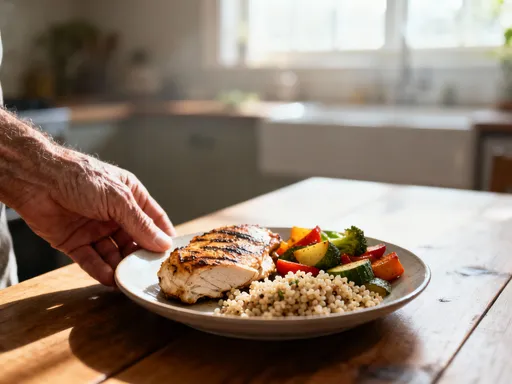
With a clearer understanding of nutrition, I needed a simple, repeatable way to apply it. I developed a meal framework that I could use every day without spending hours planning or cooking. The structure is straightforward: fill half the plate with non-starchy vegetables, one-quarter with lean protein, and one-quarter with complex carbohydrates. Add a small portion of healthy fat, and drink plenty of water. This visual guide made meal planning intuitive, even on busy days.
Breakfast used to be my weakest meal—often skipped or replaced with a muffin and coffee. Now, I focus on protein and fiber to start the day strong. A typical breakfast might be Greek yogurt with berries and chia seeds, or scrambled eggs with spinach and whole-grain toast. These meals keep me full for hours and prevent the mid-morning crash. I prep ingredients ahead of time: hard-boiled eggs, washed greens, and chopped vegetables stay ready in the fridge. On rushed mornings, a smoothie with protein powder, frozen fruit, spinach, and flaxseed takes five minutes and delivers balanced nutrition.
Lunch is designed to sustain energy, not cause a slump. I avoid heavy pasta dishes or sandwiches on white bread, which leave me drowsy. Instead, I pack salads with mixed greens, grilled chicken, quinoa, cucumbers, and a olive oil-based dressing. Leftovers from dinner—like baked salmon with roasted sweet potatoes and broccoli—are also excellent options. I use reusable containers to portion meals at the beginning of the week, which saves time and reduces decision fatigue. Dinner tends to be lighter, focusing on lean protein and vegetables, with a modest portion of whole grains.
Snacks are strategic, not random. I keep cut-up vegetables, hummus, nuts, and fruit on hand. When a craving hits, I ask myself: Am I truly hungry, or just bored or stressed? Often, drinking water or taking a short walk helps more than eating. When I do snack, I choose options that combine protein and fiber to stay satisfied. This approach has eliminated the 3 p.m. energy dip that used to derail my afternoons.
The Ripple Effects: How Food Changed More Than Just Energy
The benefits of this way of eating extended far beyond increased energy. Within weeks, I noticed improvements in other areas of my health. My sleep became deeper and more restful. I no longer woke up multiple times at night, and I felt more refreshed in the morning. Digestion improved—bloating and discomfort became rare. I also experienced fewer headaches and less joint stiffness, which I later learned could be linked to reduced inflammation from eating more whole foods and fewer processed items.
Mental clarity was another unexpected gain. I used to struggle to concentrate during afternoon meetings, but now I can follow complex discussions without losing focus. My memory feels sharper, and I’m better at multitasking. Research suggests that a diet rich in antioxidants, omega-3 fatty acids, and B vitamins supports cognitive function—nutrients abundant in the foods I now eat regularly. I also noticed a more stable mood. The emotional rollercoaster of highs and lows, often tied to blood sugar swings, smoothed out. I felt calmer, more patient with my family, and better equipped to handle daily stress.
Perhaps the most meaningful change was emotional. For years, I had felt out of control—tied to caffeine, sugar, and the constant cycle of dieting and relapse. Now, I feel empowered. Making consistent, thoughtful food choices has given me a sense of agency. I’m not perfect—there are still days when I eat dessert or skip a meal—but I no longer see these moments as failures. They’re part of a balanced life. This mindset shift has reduced guilt and increased self-compassion, which in turn supports long-term consistency.
Overcoming Obstacles: Staying Consistent Without Perfection
No lifestyle change is without challenges. Social events, travel, and unexpected schedule changes tested my commitment. I quickly learned that rigid rules don’t work in real life. Instead of aiming for perfection, I focused on progress. At parties, I don’t avoid food altogether—I look for grilled proteins, vegetable platters, and fruit. If there’s cake, I enjoy a small piece without guilt. The key is balance: one meal won’t undo weeks of healthy habits.
Travel used to derail my eating patterns. Airports are full of processed snacks and fast food, and hotel breakfasts often lack nutritious options. To prepare, I now pack travel-friendly foods: nuts, protein bars, dried fruit, and whole-grain crackers. I also research restaurants ahead of time and choose those offering balanced meals. When eating out, I ask for modifications—like dressing on the side or steamed vegetables instead of fries. Most establishments are happy to accommodate. These small adjustments make a big difference in maintaining consistency.
Cravings still happen, especially during stressful times. I’ve learned to distinguish between physical hunger and emotional eating. Keeping a food and mood journal helped me identify triggers—like fatigue or anxiety—that led to reaching for sugary snacks. Now, when a craving hits, I pause and ask what I really need. Sometimes it’s rest, a phone call with a friend, or a short walk. Other times, I allow myself a treat, but mindfully—sitting down, savoring each bite, and stopping when satisfied. This approach has reduced impulsive eating and made indulgences more enjoyable.
Busy days are inevitable, but they don’t have to mean poor choices. I keep emergency snacks in my bag and car. I also have a list of quick, healthy meals—like stir-fries, grain bowls, or sheet-pan dinners—that take less than 30 minutes to prepare. Planning ahead, even just 10 minutes a week, makes a significant difference. The goal isn’t to eat perfectly every day, but to make better choices more often. Small wins—like choosing water over soda or adding vegetables to a meal—add up over time.
Making It Last: Turning Nutrition into a Lifelong Upgrade
Sustainability is the cornerstone of lasting change. I’ve come to see nutrition not as a project with an end date, but as an ongoing practice—like brushing your teeth or exercising regularly. The most successful people I’ve studied don’t follow strict rules; they’ve built flexible habits that adapt to life’s changes. They listen to their bodies, honor hunger and fullness cues, and eat with intention. This mindset shift—from dieting to self-care—has been transformative.
I no longer chase trends or feel pressured by social media. Instead, I tune into how foods make me feel. If a meal leaves me sluggish, I adjust it next time. If I feel energized, I take note. This intuitive approach fosters a deeper connection with my body. I’ve also learned to be patient. Results didn’t happen overnight. It took weeks to notice consistent energy and months to see lasting changes in my overall well-being. But the investment has paid off in ways I never expected—more presence with my family, greater productivity at work, and a renewed sense of vitality.
This journey has taught me that true health isn’t about extremes. It’s about consistency, balance, and self-respect. Eating real food isn’t a phase; it’s a foundation for a better life. It’s not about never enjoying a dessert or skipping a workout—it’s about making choices that support your long-term well-being. And while the path looks different for everyone, the principles remain the same: nourish your body, respect your limits, and prioritize how you feel over how you look.
Looking back, I realize that my exhaustion wasn’t just physical—it was a sign that I needed to reprioritize my health. What started as a quest for more energy has become a holistic upgrade to my entire life. I move with more ease, think with more clarity, and engage with more joy. The food on my plate is no longer just fuel—it’s a daily act of self-care, a quiet promise to show up fully for the life I’ve been given. This isn’t the end of the journey. It’s the beginning of living with more energy, focus, and purpose—one real, nourishing meal at a time.