Why My Hair Started Fighting Back — A Real Rhythm Shift
Losing hair used to stress me out—bad days, worse mirrors. Then I stopped chasing quick fixes and changed my daily rhythm instead. No magic pills, no extreme diets. Just small, consistent shifts in how I eat, sleep, and move. Within weeks, I noticed less shedding, more bounce. It wasn’t instant, but it was real. This isn’t a cure, but a lifestyle tweak that actually helped. If you're tired of feeling helpless about thinning hair, maybe it’s time to reset your rhythm too.
The Wake-Up Call: When Hair Loss Hit Home
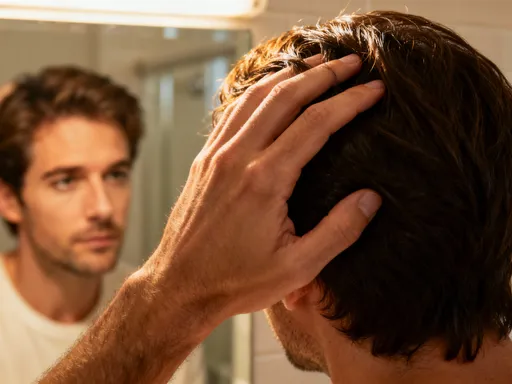
For years, hair was just something that was there—part of the morning routine, easily brushed and styled without much thought. Then, one ordinary Tuesday, it wasn’t. Clumps caught in the shower drain, strands tangled in the brush, a widening part that no amount of teasing could disguise. At first, it felt like a fluke—maybe stress from work, a seasonal change, or lack of sleep. But when the shedding continued week after week, a quiet panic settled in. Looking in the mirror became an act of comparison: Was it always this thin? Did my scalp show this much before?
The emotional weight was heavier than expected. Hair, it turned out, was more than just follicles and keratin. It was identity, confidence, a silent signal of vitality. Losing it quietly chipped away at self-assurance. Friends offered reassurance—“It’s just hair”—but that didn’t ease the sense of loss. What followed was a flurry of searches: supplements promising regrowth, shampoos with exotic ingredients, serums with bold claims. Some provided temporary improvements in texture, but none stopped the shedding. The root cause remained untouched.
What finally shifted was a simple realization: hair is a reflection of internal health. While genetics play a role, they are not the only factor. Hair loss, especially gradual thinning, often signals deeper imbalances—nutritional gaps, hormonal shifts, chronic stress, or disrupted sleep. Instead of asking how can I make my hair grow faster?, the better question became what is my body trying to tell me? That shift in perspective changed everything. It moved the focus from surface fixes to sustainable support—nourishing the body from within, not just coating the strands on the outside.
Hair Health 101: What Your Strands Are Really Telling You
To understand why hair responds to lifestyle, it helps to know how it grows. Hair follows a natural cycle with three main phases: anagen (growth), catagen (transition), and telogen (resting). At any given time, about 85 to 90 percent of hair is in the growth phase, while the rest is resting or shedding. Normally, losing 50 to 100 strands a day is part of this cycle. But when shedding increases, or new growth slows, it often means the cycle has been disrupted.
Several internal factors influence this rhythm. Hormonal balance, for example, plays a critical role. Fluctuations in estrogen, thyroid hormones, or cortisol—the stress hormone—can shift more follicles into the resting phase prematurely, leading to visible thinning. Inflammation, often triggered by poor diet, lack of sleep, or chronic stress, can also impair follicle function. Meanwhile, circulation to the scalp delivers oxygen and nutrients essential for growth. If blood flow is reduced, even slightly, follicles receive less support.
Many people assume hair loss is purely genetic, passed down from one generation to the next. While heredity does contribute—especially in patterns like female or male pattern hair loss—it doesn’t act alone. Genes may load the gun, but lifestyle often pulls the trigger. This is why two people with similar family histories can experience very different hair outcomes. One may maintain thick hair into later years, while the other sees thinning in their thirties. The difference often lies in daily habits: how they eat, sleep, manage stress, and care for their overall health.
Temporary solutions like topical treatments or supplements may offer cosmetic improvements, but they rarely address these deeper influences. A serum might coat the hair shaft, making it appear thicker, but if the follicle isn’t receiving the signals and nutrients it needs, long-term growth remains compromised. That’s why so many quick fixes fail over time. True hair health isn’t about masking the symptom—it’s about creating the internal environment where hair can thrive naturally.
Rhythm Over Routine: Redefining “Quick” in Hair Care
In a world of instant results, “quick” often means immediate. But when it comes to hair, quick should mean consistent and sustainable. Lasting change doesn’t come from drastic overhauls or short-term fixes, but from the quiet repetition of healthy rhythms. The body responds not to intensity, but to regularity. And one of the most powerful regulators of that regularity is the circadian rhythm—the internal clock that governs everything from hormone release to cellular repair.
This biological rhythm influences hair growth more than many realize. During deep sleep, the body releases growth hormone and repairs tissues, including hair follicles. Melatonin, often called the sleep hormone, also has antioxidant properties that may support follicle health. When sleep is irregular or poor in quality, this repair process is disrupted. Similarly, meal timing affects insulin sensitivity and nutrient absorption—both of which influence how well the body can build and maintain hair proteins.
Even movement has a rhythmic component. Regular, moderate exercise improves circulation and helps regulate cortisol levels. But overtraining or erratic activity patterns can increase inflammation and stress hormones, counteracting those benefits. The key is consistency—not perfection. A 20-minute walk most days does more for hair health than an intense workout once a week followed by days of inactivity.
Shifting from a routine-based mindset to a rhythm-based one means focusing on patterns rather than isolated actions. It’s not about doing everything perfectly every day, but about creating a daily flow that supports the body’s natural processes. When meals happen around the same time, when sleep is prioritized, and when movement is integrated naturally, the body operates more efficiently. And when the body is in balance, hair often follows.
The 3 Pillars of a Hair-Friendly Lifestyle
If hair health is a reflection of internal well-being, then supporting it requires a holistic approach. Three foundational pillars—nutrition, sleep, and stress management—form the core of any sustainable strategy. Each plays a distinct role, but they work best when aligned. Think of them not as separate tasks, but as interconnected rhythms that, when in sync, create optimal conditions for hair growth.
Nutrition rhythm is about more than just eating the right foods—it’s about eating them at consistent times. Hair is made mostly of protein, so adequate intake of high-quality protein throughout the day supports keratin production. Iron, zinc, biotin, and omega-3 fatty acids are also essential. But even the best nutrients won’t help if meals are erratic. Skipping breakfast, eating late at night, or going long hours without food can disrupt blood sugar and hormone balance, indirectly affecting hair. A steady rhythm of balanced meals—containing protein, healthy fats, and complex carbohydrates—helps maintain stable energy and nutrient delivery.
Sleep sync refers to the practice of going to bed and waking up at consistent times, even on weekends. Deep, restorative sleep is when the body repairs tissues, balances hormones, and clears metabolic waste. For hair, this means follicles receive the signals and resources they need to re-enter the growth phase. Poor sleep quality or insufficient duration can prolong the resting phase, leading to increased shedding. Creating a calming bedtime routine—dimming lights, reducing screen time, and avoiding caffeine in the evening—supports this natural repair cycle.
Stress flow involves managing daily pressures in a way that prevents cortisol from staying elevated. Chronic stress is one of the most common triggers for hair loss, particularly a condition called telogen effluvium, where stress pushes large numbers of follicles into the resting phase at once. Low-intensity movement—like walking, stretching, or yoga—can help regulate cortisol. So can mindful pauses: a few minutes of deep breathing, journaling, or simply stepping outside. These aren’t grand gestures, but small acts that signal safety to the body, allowing it to shift from survival mode to restoration mode.
Small Shifts, Big Signals: Daily Habits That Make a Difference
Transforming hair health doesn’t require dramatic changes. Often, it’s the small, repeatable habits that send the strongest signals to the body. These aren’t about perfection—they’re about consistency. Over time, they create a cumulative effect that supports follicle function and overall vitality.
Hydration is one of the simplest yet most overlooked factors. Water is essential for every cellular process, including nutrient transport to hair follicles. Starting the day with a glass of water and spacing intake throughout the day helps maintain circulation and scalp health. Dehydration, even mild, can make hair brittle and prone to breakage. Timing matters too—drinking large amounts right before bed can disrupt sleep, while waiting until midday to drink may mean the body has been running on low fluid for hours.
Reducing screen time before bed is another small but powerful shift. The blue light emitted by phones, tablets, and computers can suppress melatonin production, making it harder to fall asleep and reducing sleep quality. Even 30 minutes of screen-free time before bed can improve rest. Instead of scrolling, try reading a book, listening to calming music, or doing a gentle stretch. These activities not only support sleep but also serve as a mental transition from the day’s demands to a state of relaxation.
Scalp massage is another easy habit with real benefits. Just five minutes a day, using fingertips in gentle circular motions, can improve blood flow to the follicles. Some studies suggest this mechanical stimulation may also reduce stress and support the hair growth cycle. It doesn’t require special tools or oils—just consistent, mindful attention. Over time, many notice improved texture, shine, and reduced shedding.
Tracking progress doesn’t have to mean daily photos or measurements. Subtle signs—like increased shine, better elasticity when hair is wet, or fewer broken strands—are valid indicators of improvement. These changes may not show up immediately in thickness, but they reflect stronger, healthier hair. Celebrating these small wins helps maintain motivation and reinforces the value of consistency over speed.
When to Seek Support: Knowing the Limits of Lifestyle Change
While lifestyle adjustments can make a meaningful difference, they are not a substitute for medical care. There are times when hair loss signals an underlying condition that requires professional evaluation. Sudden bald patches, rapid thinning over a short period, or changes in scalp texture—such as redness, scaling, or pain—should not be ignored. These could indicate autoimmune conditions like alopecia areata, thyroid disorders, or scalp infections, all of which need targeted treatment.
Similarly, hair loss that follows a major life event—such as surgery, severe illness, or significant weight loss—may be temporary but still warrants medical insight. A healthcare provider can run blood tests to check for nutrient deficiencies, hormonal imbalances, or other contributing factors. Early diagnosis can prevent prolonged shedding and support faster recovery.
Lifestyle changes work best when used alongside professional guidance, not in place of it. A doctor or dermatologist can help determine whether hair loss is primarily driven by internal factors, external damage, or a combination. They may recommend treatments such as topical minoxidil, prescription medications, or other therapies based on the diagnosis. When combined with healthy habits, these interventions often yield better results than either approach alone.
It’s also important to recognize that not all hair loss is reversible. Some degree of thinning is a natural part of aging, just as skin loses elasticity or energy levels shift. The goal isn’t to stop time, but to support the body in aging with strength and resilience. Acceptance, when paired with action, creates a balanced approach—one that honors both effort and reality.
Living the Rhythm: Making It Stick Without Burnout
Sustainability is the true measure of any health change. The most effective routines are not the strictest, but the most adaptable. A rigid plan may work for a few weeks, but life—family demands, work stress, travel—often disrupts perfection. The key is to build flexibility into healthy habits so they can survive real life.
This means allowing for off-days without guilt. Missing a walk, eating later than planned, or getting less sleep one night doesn’t erase progress. What matters is the overall pattern. Think of it like a long-term investment: occasional dips don’t cancel out steady growth. The goal is consistency, not flawlessness.
Celebrating non-scale wins helps maintain motivation. Improved energy, better mood, clearer skin, or stronger nails are all signs that the body is responding. These changes often appear before visible hair growth, serving as early feedback that the rhythm is working. Recognizing them reinforces the broader benefits of self-care—it’s not just about hair, but about feeling better in your body.
Finally, shifting to a long-term mindset means viewing self-care as an ongoing act of respect. It’s not a punishment for thinning hair, nor a race to restore what was lost. It’s a daily choice to listen to the body, honor its needs, and support its natural wisdom. When that foundation is in place, improvements in hair are not the only outcome—they are a sign that deeper health is returning.
Hair loss isn’t just a surface issue—it’s a signal. By tuning into your body’s natural rhythm and making mindful, consistent choices, you create the internal environment where hair can thrive. It’s not about perfection or promises, but presence. When you treat your body like something worth listening to, the results go far beyond fuller hair—they echo in how you feel every day.