How I Took Control of My Blood Sugar — A Real Talk on Daily Monitoring and Small Wins
Managing blood sugar isn’t just about numbers on a screen—it’s about daily choices, consistency, and understanding your body. For years, I ignored the signs until fatigue and mood swings became impossible to overlook. Through consistent health monitoring and small, sustainable changes, I’ve seen real improvements. This is not a cure, but a practical, honest look at how tracking and awareness can transform chronic disease management—one day at a time. It’s not about perfection. It’s about progress, self-awareness, and the quiet victories that add up over weeks and months. This is a story of how I learned to listen to my body, one glucose reading at a time.
The Wake-Up Call: Recognizing the Hidden Impact of Unstable Blood Sugar
It wasn’t a doctor’s appointment or a lab result that first alerted me—just the way I felt every afternoon. Around 3 p.m., without fail, my energy would plummet. I’d feel foggy, irritable, and desperate for a snack, only to crash again an hour later. At first, I blamed stress, aging, or lack of sleep. But the pattern was too consistent to ignore. I started noticing other signs: my clothes fit tighter even though I wasn’t eating more, my skin healed slowly, and I was thirstier than usual. These weren’t dramatic symptoms, but they were persistent—and they pointed to something deeper.
What I didn’t realize at the time was that these were classic signs of blood sugar dysregulation. Energy crashes after meals, difficulty concentrating, mood swings, increased thirst, and unexplained weight gain are often dismissed as part of modern life. But when they occur together, they can signal insulin resistance or prediabetes—conditions that affect millions of people, many of whom don’t know they have them. The danger lies in their invisibility. Unlike acute illnesses, blood sugar issues creep in slowly, masked by busy schedules and normal routines. By the time someone gets a diagnosis, the body may have been struggling for years.
For women over 30, especially those managing family, work, and aging parents, these symptoms can be easily chalked up to exhaustion. But the truth is, unstable glucose levels don’t just affect physical health—they influence emotional well-being, focus, and quality of life. Recognizing that my fatigue wasn’t just ‘part of being a mom’ was my turning point. I began to see that my body was sending signals, and I had been too distracted to hear them. This realization wasn’t frightening—it was empowering. Because once I understood what was happening, I could do something about it.
Early detection is one of the most powerful tools in preventing long-term complications. Conditions like type 2 diabetes don’t appear overnight. They develop gradually, often over a decade, during which time subtle changes in glucose metabolism can be identified and addressed. Routine health monitoring—such as annual blood work or fasting glucose tests—can catch these shifts early. But even more valuable is daily self-awareness. Paying attention to how you feel after meals, how your energy fluctuates, and how your mood responds to food can provide real-time clues. These small observations, when taken seriously, can lead to meaningful interventions long before a diagnosis becomes necessary.
Understanding the Basics: What Blood Sugar Fluctuations Actually Do to Your Body
Glucose is the body’s primary fuel source. Every time we eat, especially carbohydrates, our digestive system breaks food down into sugar, which enters the bloodstream. In response, the pancreas releases insulin—a hormone that acts like a key, unlocking cells so they can absorb glucose for energy. This process is essential, but when it’s disrupted, problems arise. If insulin isn’t working efficiently, glucose stays in the bloodstream, leading to high blood sugar. Over time, this strains the body’s organs and systems in ways that aren’t always visible but are deeply impactful.
When blood sugar spikes and crashes repeatedly, the effects go far beyond feeling tired after lunch. These fluctuations can impair cognitive function, leading to brain fog, difficulty concentrating, and memory lapses. They can also destabilize mood, contributing to anxiety, irritability, or even low-grade depression. Many people don’t connect their emotional state to their diet, but the brain is highly sensitive to glucose levels. When fuel is inconsistent, mental clarity and emotional balance suffer.
Long-term, uncontrolled glucose levels can damage blood vessels and nerves throughout the body. This is why diabetes is linked to complications like vision problems, poor circulation, and nerve pain—especially in the feet and legs. The kidneys, which filter blood, are also vulnerable to high glucose exposure over time. While these outcomes may seem distant, they begin with small, repeated imbalances. What matters most isn’t a single high reading, but the overall pattern of control. Consistent spikes, even if they don’t cross diagnostic thresholds, can still cause harm at the cellular level.
This is why stabilization is more important than occasional perfect readings. Think of your body like a finely tuned instrument: it thrives on consistency, not extremes. A single healthy meal won’t reverse years of imbalance, just as one sugary treat won’t ruin everything. But daily patterns shape long-term outcomes. The goal isn’t to achieve perfection but to reduce the frequency and severity of glucose swings. This shift in mindset—from chasing ideal numbers to building steady habits—was crucial in my journey. It allowed me to focus on progress rather than punishment, and sustainability rather than short-term fixes.
Tools That Changed My Game: Exploring Real-Time Health Monitoring Options
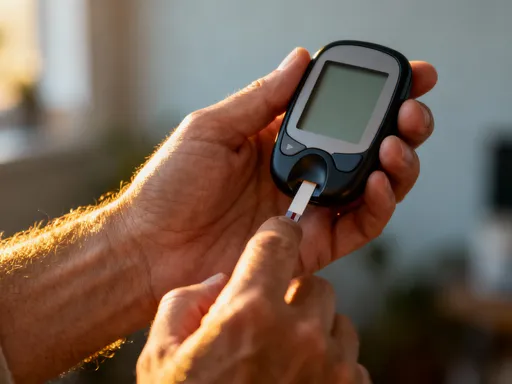
For years, I managed my health based on how I felt and occasional doctor visits. But when I decided to get serious about my blood sugar, I realized I needed better information. That’s when I discovered real-time health monitoring tools. I started with a basic glucometer—a small device that measures blood sugar from a fingertip prick. At first, the idea of testing multiple times a day felt intimidating, even excessive. But within days, I began to see patterns. My fasting levels were higher than I expected, and certain meals caused sharp spikes I hadn’t anticipated. This data gave me clarity I couldn’t get from guesswork alone.
Later, I tried a continuous glucose monitor (CGM), which changed everything. A CGM uses a tiny sensor placed under the skin to measure glucose in the fluid between cells, sending real-time readings to a smartphone or receiver. Unlike a glucometer, which gives a snapshot, a CGM shows trends—how your levels rise and fall over hours. Seeing my glucose curve after meals was eye-opening. I could watch, in real time, how a bowl of oatmeal spiked my levels higher than a piece of cake. This wasn’t about labeling foods as ‘good’ or ‘bad,’ but about understanding my body’s unique responses.
Both tools have their strengths. Glucometers are affordable, widely available, and require no prescription in many places. They’re ideal for people who want to check their levels at key times—before and after meals, or when symptoms arise. CGMs, while more expensive and sometimes requiring medical approval, offer a richer, more detailed picture. They’re especially helpful for identifying hidden patterns, like nighttime dips or dawn phenomenon (a natural rise in blood sugar early in the morning). The choice between them depends on individual needs, budget, and health goals.
For anyone starting out, the key is not to get overwhelmed. Begin with simple tracking—test once a day at the same time, or check before and after one meal. Use a journal or app to record food, activity, and mood alongside the numbers. Over time, trends will emerge. The goal isn’t to become a data scientist, but to become more aware. These tools don’t replace medical advice—they enhance it. When I brought my CGM data to my doctor, we had a more informed conversation about my health. That partnership, built on real evidence, made all the difference.
Food Is Feedback: Learning to Read My Body’s Responses
One of the biggest myths I believed was that ‘healthy’ foods wouldn’t affect my blood sugar. I ate whole grains, fruit smoothies, and granola bars thinking I was doing the right thing—only to see my glucose levels soar. Tracking my meals alongside my readings taught me that food is not just fuel; it’s feedback. Each meal became an experiment: what happens when I eat this? How does my body respond? This approach shifted my relationship with food from guilt and restriction to curiosity and empowerment.
Some of the biggest surprises came from foods marketed as nutritious. A store-bought smoothie labeled ‘low-fat’ spiked my glucose more than a slice of pizza. A bowl of brown rice caused a sharper rise than a small portion of dark chocolate. These experiences weren’t about eliminating foods, but about timing, pairing, and portion. I learned that combining carbohydrates with protein, healthy fats, and fiber could dramatically blunt the spike. For example, eating an apple with a handful of almonds resulted in a much gentler curve than the apple alone.
Protein and fiber became my allies. They slow digestion, helping glucose enter the bloodstream gradually rather than all at once. I started building balanced plates: a source of lean protein (like chicken, fish, or beans), plenty of non-starchy vegetables, a modest portion of complex carbs, and a bit of healthy fat (like olive oil or avocado). This wasn’t a rigid diet—it was a flexible framework that worked for my lifestyle. I still enjoyed bread or pasta, but now I paired them with salad and grilled chicken, and I noticed the difference immediately.
The timing of meals also mattered. Skipping breakfast often led to overeating later and bigger spikes at lunch. Eating smaller, more frequent meals helped keep my levels steadier. I also discovered the benefit of eating vegetables first during a meal—starting with a salad or steamed greens before touching the carbs—because it helped slow glucose absorption. These weren’t drastic changes, but small adjustments that added up. The most powerful lesson was that I didn’t need to follow a trendy diet to see results. I just needed to pay attention.
Movement as Medicine: Small Activities That Make a Big Difference
I used to think that to make a difference, exercise had to be intense—long runs, hard workouts, sweat-drenched sessions. But managing blood sugar taught me otherwise. The most effective movement for me was also the simplest: a 10- to 15-minute walk after meals. Within days of starting this habit, I noticed my post-meal glucose levels were lower and more stable. Research supports this: light physical activity after eating helps muscles absorb glucose from the blood, even without insulin. It’s one of the most immediate and accessible ways to improve glucose control.
I didn’t need a gym or special equipment—just my sneakers and a willingness to move. Sometimes I walked around the block, other times I paced the house while on the phone. On rainy days, I did gentle stretching or light resistance bands in the living room. The key was consistency, not intensity. Even on days when I felt too tired for a full workout, I could still take a short walk. Over time, these small efforts built a habit that became non-negotiable, like brushing my teeth.
Other forms of movement also helped. Gardening, dancing to music while cooking, or playing with my kids in the yard—all counted. The goal wasn’t to burn calories but to keep my body active throughout the day. Sedentary behavior is a major contributor to insulin resistance, so breaking up long periods of sitting made a noticeable difference. I started setting a timer to stand and move every hour, even if just for a few minutes.
Pairing movement with monitoring gave me instant feedback. When I compared my CGM data on days I walked after meals versus days I didn’t, the contrast was clear. My curves were flatter, my energy better, and my mood more stable. This real-time evidence kept me motivated. It wasn’t about looking a certain way or reaching a weight goal—it was about feeling better, day after day. Movement became less of a chore and more of a self-care practice, a way to support my body in a tangible, measurable way.
Mindset and Routine: Building Habits That Last Beyond Motivation
Motivation fades. Willpower runs out. What lasts is routine. In the early days of tracking my blood sugar, I was excited and diligent. But after a few weeks, the novelty wore off. I missed tests, forgot to log meals, and felt discouraged when numbers didn’t improve as fast as I wanted. That’s when I realized that long-term success wasn’t about staying inspired—it was about designing systems that worked when I wasn’t feeling up to it.
I started small. I placed my glucometer next to my coffee maker so I’d see it every morning. I set a daily reminder to check my levels before dinner. I kept a notebook on the kitchen counter to jot down meals. These tiny environmental cues made the habits easier to follow. I also stopped aiming for perfection. Some days, my numbers were high. Instead of criticizing myself, I asked, ‘What happened?’ Was I stressed? Did I eat late? Was I tired? This shift—from judgment to curiosity—reduced guilt and helped me learn.
The emotional side of chronic condition management is often overlooked. There’s fear—of complications, of losing control. There’s frustration—when progress is slow. And there’s guilt—when you ‘fail’ a diet or skip a test. I had all of it. But I learned to practice self-compassion. I reminded myself that I was doing my best, that small efforts mattered, and that setbacks were part of the process. Talking to a supportive friend or counselor helped me process these feelings without letting them derail my progress.
Progress, not perfection, became my mantra. I celebrated small wins: a stable fasting number, a post-meal walk on a busy day, choosing water over soda. These moments didn’t make headlines, but they built confidence. Over time, monitoring became second nature—a quiet part of my day, like making the bed or checking the mail. It wasn’t about obsession. It was about care. And that made all the difference.
Putting It All Together: A Sustainable, Personalized Approach to Long-Term Control
Managing blood sugar isn’t a single action—it’s a system. For me, it’s the combination of daily monitoring, balanced eating, consistent movement, and a compassionate mindset. These pieces don’t work in isolation. Tracking my levels helped me eat better. Eating better made it easier to stay active. Staying active improved my energy and mood. And feeling better strengthened my commitment to the routine. It’s a positive feedback loop, built on small, repeatable choices.
One-size-fits-all solutions don’t work because every body is different. What stabilizes my glucose might not work for someone else. That’s why personalization is key. Some people thrive on low-carb diets, others do well with plant-based eating. Some prefer morning exercise, others find evening walks more sustainable. The goal isn’t to copy someone else’s routine, but to experiment, observe, and adapt. Health monitoring tools provide the data to guide those decisions, but lifestyle choices must fit your life, your preferences, and your values.
Working with healthcare providers is also essential. I didn’t do this alone. My doctor helped interpret my results, adjust my approach, and rule out other conditions. I also consulted a registered dietitian who helped me create balanced meal plans without deprivation. These professionals didn’t give me a magic solution—they gave me support, knowledge, and accountability. They reminded me that managing blood sugar is a collaboration between self-care and medical guidance.
In the end, this journey isn’t about quick fixes or dramatic transformations. It’s about showing up every day, making small choices, and trusting that they add up. Blood sugar management is not a destination—it’s an ongoing practice, like tending a garden. Some days are sunny, some are stormy, but with attention and care, growth happens. I’ve learned to see my health not as a problem to solve, but as a life to nurture. And that, more than any number on a screen, has been the real win.