How I Stopped Chasing Health Fixes — My Vegetarian Shift That Actually Works
For years, I bounced between diets promising miracle results—keto, intermittent fasting, detox shakes—you name it. Nothing stuck, and my energy kept crashing. Then I tried something simple: going vegetarian, not for weight loss, but to feel better. Slowly, my digestion improved, my skin cleared up, and I felt lighter. This isn’t about perfection—it’s about prevention. Here’s how small, real changes in my plant-based journey made a lasting difference in my health and peace of mind.
The Breaking Point: When Quick Fixes Failed Me
There was a time when my life revolved around the next diet trend. I believed that if I could just find the right formula—cut enough carbs, fast long enough, or drink the latest green juice—I would finally unlock lasting energy and well-being. But no matter how strictly I followed these regimens, the results never lasted. Within weeks, I’d be back to feeling sluggish, bloated, and constantly catching every cold that went around the office. My motivation would dip, followed by guilt, and then the cycle would begin again.
It wasn’t until I hit a true low point—spending a family weekend in bed due to exhaustion—that I realized something had to change. I wasn’t sick in a diagnosable way, but I wasn’t thriving either. My body was sending signals, and I had been ignoring them. Instead of blaming my genetics or age, I began to wonder: could the food I was eating actually be contributing to how I felt? That question marked the beginning of a shift—from chasing quick fixes to seeking sustainable solutions.
What I came to understand was that most popular diets are reactive. They focus on short-term outcomes like losing five pounds in a week or shrinking your waistline. But they rarely address the deeper issue: long-term vitality. I didn’t just want to look better in a swimsuit; I wanted to feel strong, clear-headed, and resilient in my daily life. That realization led me to explore a different path—one not centered on restriction, but on nourishment. And that path eventually brought me to a vegetarian way of eating, not as a fad, but as a form of daily self-care.
Why Vegetarian? Not Just Ethics—It’s About Long-Term Defense
When people hear “vegetarian,” they often think of animal rights or environmental concerns—and those are valid reasons. But for me, the decision was rooted in health, specifically in prevention. I began researching how food impacts the body over time, and what I found was compelling: diets rich in plant-based foods are consistently linked to lower risks of chronic diseases like heart disease, type 2 diabetes, and certain cancers. These aren’t miracle claims; they’re patterns observed in large-scale, long-term studies involving hundreds of thousands of people.
The reason lies in what plants naturally offer. Fruits, vegetables, legumes, whole grains, nuts, and seeds are packed with fiber, antioxidants, vitamins, and phytonutrients—compounds that help protect cells from damage and keep inflammation in check. Chronic inflammation, in particular, is now understood to be a key driver in many long-term health conditions. By choosing more plants, I was essentially giving my body daily tools to defend itself.
Take fiber, for example. Most adults don’t get enough, yet it’s essential for digestive health and helps regulate blood sugar and cholesterol levels. Plant-based diets are naturally high in fiber, which supports a balanced gut microbiome—an area of growing interest in overall wellness. A healthy gut is linked not only to better digestion but also to improved immune function and even mood regulation.
Similarly, antioxidants found in colorful produce—like blueberries, spinach, and sweet potatoes—help neutralize free radicals, unstable molecules that can harm cells over time. By building meals around these foods, I wasn’t just eating to fill my stomach; I was eating to protect my body from the inside out. This shift in mindset—from food as fuel to food as defense—changed everything.
The First Step: Ditching Perfection, Starting Small
One of the biggest mistakes I made early on was thinking that change had to be all-or-nothing. I imagined a vegetarian lifestyle as a strict rulebook: no meat, no fish, no exceptions. The pressure to be perfect made the idea feel overwhelming, and I’d often give up before really beginning. It wasn’t until I let go of perfection that real progress started.
My first step was simple: one meatless day a week. I chose Monday, not because of any science, but because it felt like a fresh start after the weekend. On that day, I’d prepare a familiar meal with a plant-based twist—like swapping ground beef for lentils in my favorite Bolognese sauce. To my surprise, the dish tasted just as satisfying, and I didn’t feel deprived. In fact, I felt lighter the next morning.
That small success gave me confidence. After a few weeks, I added a second meatless day. Then a third. I wasn’t following a rigid plan; I was learning what worked for me. Some days, I’d have a bean burrito for lunch. Other days, I’d toss chickpeas into a salad with roasted vegetables and a lemon-tahini dressing. The key was consistency, not intensity. I focused on progress, not purity.
This gradual approach allowed my taste buds and habits to adjust naturally. I wasn’t cutting out foods out of fear or guilt; I was adding in new, nourishing options. Over time, meat became less of a centerpiece and more of an occasional addition. The change wasn’t dramatic, but it was sustainable. And that made all the difference.
Building a Plate That Protects: What I Actually Eat
People often assume that giving up meat means eating salads every day. But my meals are anything but boring. A typical day starts with a bowl of oatmeal topped with fresh berries, chia seeds, and a drizzle of maple syrup. The fiber keeps me full, and the natural sweetness satisfies my cravings without processed sugar. Sometimes, I’ll add a spoonful of almond butter for extra protein and healthy fats.
For lunch, I often prepare a grain bowl with brown rice or quinoa, roasted sweet potatoes, black beans, avocado, and a mix of greens. I’ll add a squeeze of lime and a sprinkle of cilantro for flavor. This combination gives me complex carbohydrates, plant-based protein, and a variety of nutrients—all in one satisfying meal. On busy days, I’ll grab a hummus and vegetable wrap from the local market, making sure it includes whole grains and plenty of filling ingredients.
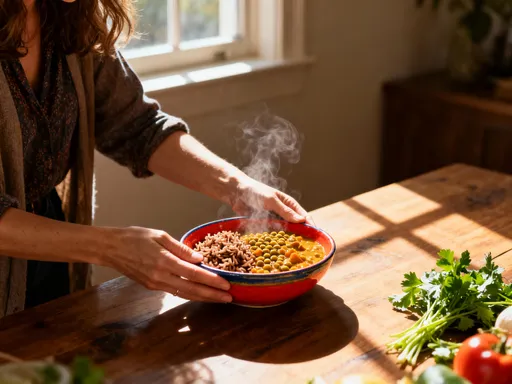
Dinner is where I get creative. Stir-fried tofu with broccoli, bell peppers, and mushrooms over brown rice is a regular favorite. I season it with low-sodium soy sauce, garlic, and a touch of ginger. The tofu provides protein, while the vegetables offer a rainbow of protective compounds. I’ve also learned that combining legumes—like beans, lentils, or chickpeas—with whole grains helps form complete proteins, meaning my body gets all the essential amino acids it needs.
Snacks are simple: an apple with peanut butter, a handful of mixed nuts, or carrot sticks with guacamole. These choices keep my energy steady between meals. I also make sure to drink plenty of water throughout the day and enjoy herbal teas in the evening. What I’ve discovered is that eating mostly plants doesn’t mean sacrificing satisfaction. It means building meals that are balanced, colorful, and designed to support long-term health.
Beyond Salads: How Flavor Keeps Me Sticking With It
If there’s one reason I’ve been able to stick with this way of eating, it’s flavor. Early on, I worried that vegetarian food would taste bland or repetitive. But the opposite has been true. By exploring spices, herbs, and global cuisines, I’ve discovered a whole new world of taste. Turmeric, cumin, smoked paprika, and coriander have become staples in my kitchen. A pinch of smoked paprika can transform roasted vegetables into something rich and savory. A spoonful of miso paste adds depth to soups and dressings.
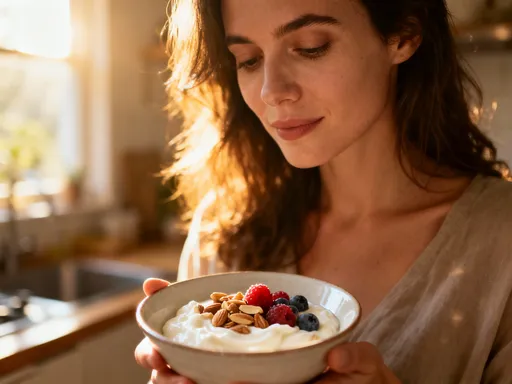
I’ve also embraced fermented foods like sauerkraut, kimchi, and plain yogurt (if I include dairy). These not only add tang and complexity to meals but also support gut health. Research shows that a diverse gut microbiome is linked to stronger immunity and better mood regulation. By eating a wide variety of plant foods—each with different fibers and compounds—I’m feeding the good bacteria in my digestive system.
One of my favorite discoveries has been how global cuisines naturally feature plant-forward dishes. Indian dal, Mediterranean falafel, Thai vegetable curries, and Mexican bean tacos are all delicious, satisfying, and rooted in tradition. These meals don’t feel like diet food; they feel like celebration. I’ve learned that flavor isn’t the enemy of health—it’s an ally. When food tastes good, you don’t feel like you’re missing out. Instead, you feel nourished and content.
This focus on taste has made healthy eating something I look forward to, not something I endure. I no longer think of food as a chore or a source of guilt. It’s become a daily act of care, one that brings joy as much as it supports my well-being.
Listening to My Body: When I Adjusted, Not Gave Up
Transitioning to a vegetarian diet wasn’t always smooth. There were moments—especially in the beginning—when I felt tired or noticed cravings creeping in. At first, I took these as signs of failure. Maybe I wasn’t getting enough protein, or perhaps this way of eating just wasn’t right for me. But instead of giving up, I started paying closer attention to what my body was telling me.
One afternoon, after a particularly light lunch, I found myself reaching for snacks by mid-afternoon. I realized I hadn’t included enough protein or healthy fats in my meal. The next day, I added grilled tempeh and avocado to my salad, and the energy dip disappeared. Another time, I noticed my skin looked dull and I felt cold more often. I wondered if I might be low in iron—a nutrient commonly associated with red meat. I researched plant-based sources and started incorporating more lentils, spinach, pumpkin seeds, and fortified cereals into my meals. I also made sure to pair these with vitamin C-rich foods, like oranges or bell peppers, to enhance absorption.
These experiences taught me that listening to my body is more important than following any rigid rule. Nutrition isn’t one-size-fits-all. What works for one person might not work for another. By treating my body with curiosity rather than criticism, I learned to make small, informed adjustments. Sometimes that meant adding a protein-rich snack in the afternoon. Other times, it meant cooking larger portions to have leftovers for busy days.
This mindset shift—from perfection to responsiveness—has been crucial. I no longer see slip-ups as failures. Instead, I see them as feedback. Each signal my body sends—whether it’s fatigue, a craving, or a change in digestion—helps me fine-tune my approach. Over time, I’ve become more in tune with my needs, and that awareness has made my eating habits more sustainable and enjoyable.
Prevention in Action: What Changed Over Time
The benefits of this lifestyle didn’t happen overnight. There was no sudden transformation or dramatic weight loss. Instead, the changes were subtle but meaningful. Over the months, I noticed I was getting sick less often. Where I used to catch every cold that went around, I now sail through flu season with just the occasional sniffle. My digestion has improved—no more bloating or discomfort after meals. My energy levels are more stable, without the mid-afternoon crashes that used to leave me reaching for coffee or candy.
I’ve also become more aware of how food affects my mood. On days when I eat balanced, plant-rich meals, I feel calmer and more focused. On days when I stray—say, eating too many processed snacks—I notice a difference in how I think and feel. It’s not about blame; it’s about awareness. I’ve come to see food as a form of daily communication with my body.
Importantly, I don’t claim to be disease-proof. No diet can guarantee that. But I do feel more resilient. I feel like I’m giving my body the tools it needs to stay strong over time. Prevention, in this sense, isn’t about fear or control. It’s about empowerment. It’s about making small, consistent choices that add up to long-term well-being.
What’s changed most is my relationship with food. It’s no longer something I fear or obsess over. It’s something I respect. Each meal is an opportunity to support my health, not punish myself. And that shift—from restriction to care—has brought a sense of peace I didn’t expect.
Conclusion: A Lifestyle, Not a Diet
Looking back, the most important lesson I’ve learned is that lasting health doesn’t come from extreme measures or short-term fixes. It comes from consistent, thoughtful choices that you can live with every day. My move toward a vegetarian way of eating wasn’t about following a trend or achieving a perfect body. It was about creating a lifestyle that supports my energy, digestion, immunity, and overall well-being.
This way of eating isn’t defined by what I’ve cut out, but by what I’ve added in—more color, more variety, more nourishment. It’s not about strict rules or guilt when I make a different choice. It’s about building habits that quietly protect my body, day after day. I still enjoy food. I still celebrate with meals I love. But now, those meals are more likely to include lentils, vegetables, whole grains, and spices that do more than just taste good—they help me feel good, too.
For anyone feeling stuck in the cycle of dieting, I’d say this: consider shifting your focus from weight loss to wellness. Ask not “Will this help me lose a few pounds?” but “Will this help me feel stronger, clearer, and more alive?” The answers might lead you to a plate filled with plants—not because it’s trendy, but because it works. Because it’s sustainable. Because it feels like home.
In the end, health isn’t about perfection. It’s about showing up for yourself, one meal at a time. And sometimes, the simplest changes are the ones that last the longest.