How I Rediscovered Life Through Simple Daily Hobbies
After my injury, recovery felt slow and lonely—until I discovered the healing power of small, joyful habits. It wasn’t just physical therapy that helped me heal; it was painting, gardening, and playing music again. These aren’t miracle cures, but they became daily acts of resilience. In this guide, I’ll share how simple hobbies transformed my rehabilitation journey, boosted my mood, and restored a sense of purpose—one small step at a time.
The Hidden Struggle of Rehabilitation
Recovery after an injury is often portrayed as a straightforward path: follow the doctor’s orders, attend therapy, and gradually regain strength. Yet for many, the reality is far more complex. Beyond the physical limitations—pain, stiffness, fatigue—there is a quieter, deeper challenge: emotional isolation. Days can blur into one another, marked by repetition and uncertainty. The absence of normal routines, social interaction, and a sense of contribution can erode confidence and motivation. This emotional toll is real, though it’s rarely discussed in clinical settings.
Traditional rehabilitation focuses heavily on measurable progress—range of motion, muscle strength, gait improvement. While these are essential, they often overlook the psychological dimension of healing. A person may regain movement but still feel disconnected from themselves. The sense of identity can shift dramatically when daily activities are no longer possible. Who are you when you can’t cook for your family, walk the dog, or tend to your garden? These losses, though intangible, carry weight.
Healing, in its fullest sense, is not just about restoring function—it’s about restoring meaning. It’s about finding moments of joy, control, and self-expression even in limitation. This is where hobbies enter the picture. They are not distractions from recovery; they are part of it. Engaging in a simple, pleasurable activity creates a bridge between physical rehabilitation and emotional well-being. It offers a space where effort feels rewarding, not exhausting. It allows a person to say, “I may not be able to do everything, but I can still create, nurture, or learn.”
For someone navigating the long arc of recovery, hobbies provide small but vital anchors. They become daily reminders of capability rather than deficiency. Whether it’s planting seeds in a pot, sketching a flower, or strumming a few chords, these acts affirm presence and intention. They are not replacements for medical care, but they enrich the experience of healing in ways that clinical interventions alone cannot.
Why Hobbies Work: The Science Behind Joy and Healing
The benefits of hobbies in recovery are not merely anecdotal—they are supported by science. When a person engages in an enjoyable activity, the brain responds with a cascade of positive neurochemical changes. One of the most significant is the release of dopamine, a neurotransmitter associated with pleasure, motivation, and reward. This natural chemical boost can counteract the emotional fatigue often experienced during long-term rehabilitation. Unlike medication, which may carry side effects, dopamine from joyful activities is self-generated and sustainable.
Moreover, engaging in creative or focused tasks supports neuroplasticity—the brain’s ability to reorganize and form new neural connections. After an injury, especially one involving the nervous system, the brain may need to “rewire” itself to compensate for lost function. Activities that require concentration, coordination, and problem-solving—such as drawing, knitting, or learning a song—stimulate this process. They challenge the brain in gentle, incremental ways, reinforcing pathways that support both cognitive and motor recovery.
Stress reduction is another critical factor. Chronic stress elevates cortisol levels, which can slow healing, weaken immunity, and contribute to anxiety and depression. Hobbies that promote mindfulness—like coloring, gardening, or playing music—help lower cortisol by shifting attention away from pain and worry. This state of mental absorption is sometimes referred to as “flow,” a psychological condition in which a person becomes fully immersed in an activity, losing track of time and self-consciousness. Flow experiences are restorative, offering a mental respite that supports emotional resilience.
Additionally, routines built around hobbies create structure, which is often missing during recovery. The human brain thrives on predictability. Knowing that each afternoon includes ten minutes of journaling or watering plants provides a sense of stability. This consistency reinforces motivation, as small accomplishments accumulate over time. Each completed sketch, each planted seed, each practiced melody becomes a tangible sign of progress. These micro-achievements build confidence, encouraging individuals to continue even when physical improvements are slow.
Choosing the Right Hobby: Matching Activity to Ability
Not all hobbies are equally accessible during recovery, and that’s okay. The key is not to aim for mastery but to find an activity that fits within current physical and emotional limits. The goal is engagement, not perfection. For someone with limited mobility, a high-energy craft or instrument may feel discouraging. Instead, low-impact, adaptable hobbies offer a better starting point. The right hobby should feel inviting, not overwhelming.
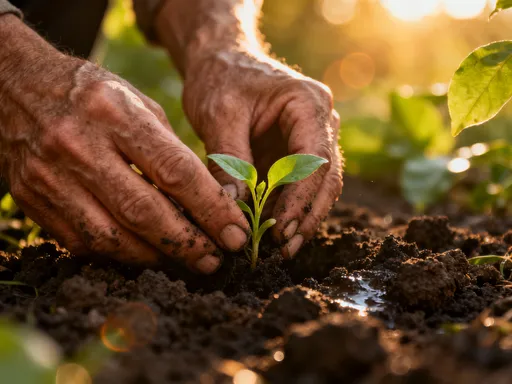
Coloring, for example, requires minimal physical effort but engages fine motor skills and visual focus. Adult coloring books with intricate designs can provide a satisfying challenge without strain. Journaling is another accessible option—writing a few sentences each day helps process emotions and track progress. For those who enjoy being outdoors, light gardening—such as tending to potted herbs or arranging flowers—offers gentle movement, fresh air, and a connection to nature. Even listening to music and gradually learning to play a simple instrument, like a ukulele or keyboard, can be a rewarding path.
It’s important to start small. Trying to commit to an hour of painting each day may lead to frustration. Instead, beginning with five or ten minutes makes the habit more sustainable. Success in the early stages builds momentum. As strength and stamina improve, the activity can be adjusted—adding more time, complexity, or variety. Flexibility is essential; a hobby that works one week may need to be modified the next, depending on energy levels or pain.
Personal interest plays a crucial role in long-term commitment. A person is more likely to stick with an activity they genuinely enjoy. Forcing oneself to knit because it’s “good for recovery” won’t work if the person dislikes it. Instead, reflecting on past interests can reveal natural starting points. Did you enjoy drawing as a child? Did you once play the piano? Reconnecting with old passions can reignite a sense of identity. Alternatively, exploring something entirely new—like learning basic photography with a smartphone—can spark curiosity and a sense of discovery.
From Frustration to Flow: Building a Routine That Sticks
Integrating a hobby into daily life doesn’t have to be complicated, but it does require intention. The biggest obstacle is often not time, but mental resistance. After a long day of therapy or managing pain, the idea of starting a new activity can feel exhausting. This is why micro-goals are so effective. Setting a target as small as “I will color for five minutes” lowers the barrier to entry. Often, once begun, the activity becomes enjoyable enough to continue beyond the initial goal.
Scheduling is another powerful tool. Just as physical therapy appointments are marked on a calendar, hobby time can be treated with the same importance. Choosing a consistent time—such as after breakfast or during an afternoon break—helps the brain associate the activity with routine. Pairing the hobby with an existing habit can also increase adherence. For example, watering plants while waiting for the kettle to boil, or journaling with a cup of tea in the evening, links the new behavior to a familiar one.
The concept of flow is particularly valuable in recovery. When a person becomes absorbed in a task, attention shifts away from discomfort. Pain may still be present, but it no longer dominates awareness. This is not about ignoring pain, but about expanding the mind’s focus. A gardener may notice stiffness in their hands but remain engaged in the texture of soil and the color of leaves. A musician may feel fatigue but stay focused on the rhythm of a song. These moments of immersion are therapeutic in themselves.
Using reminders can also support consistency. A sticky note on the mirror, a phone alert, or a dedicated basket of supplies in view can serve as gentle prompts. The environment plays a role too—keeping materials organized and accessible removes friction. If a sketchbook and pencils are within reach, the likelihood of drawing increases. Over time, these small supports help transform intention into habit, making the hobby a natural part of the day rather than an added burden.
Creative Expression as Therapy: Art, Music, and Writing
Words are not always enough to express what we feel, especially during recovery. Emotions like frustration, grief, or hope can be difficult to articulate. This is where creative expression becomes a powerful outlet. Art, music, and writing allow individuals to communicate without needing the “right” words. A painting doesn’t have to be perfect to convey mood. A melody doesn’t need to be complex to express longing or joy. These forms of expression bypass the limitations of language and speak directly to the heart.
For many, drawing or doodling becomes a gateway. It requires no special talent—just a pen and paper. Sketching shapes, patterns, or simple objects can be meditative. Over time, these small acts improve hand-eye coordination and fine motor control, which are often affected by injury or illness. Similarly, painting with watercolors or using colored pencils engages the hands in controlled movements, supporting rehabilitation in a way that feels playful rather than clinical.
Music offers another dimension of healing. Even listening to favorite songs can lift the spirit, but active engagement—such as playing an instrument or singing—deepens the effect. Starting with simple melodies on a keyboard or ukulele allows for gradual progress. The act of reading music, coordinating fingers, and producing sound stimulates multiple areas of the brain. For someone relearning movement, this multisensory experience is invaluable. Singing, too, supports breath control and lung function, which can be beneficial after certain types of injury.
Writing, whether in a journal or through short reflections, helps organize thoughts and emotions. Writing about the day’s challenges or small victories creates a record of resilience. It allows a person to step back and see patterns—moments of strength they might otherwise overlook. Gratitude journaling, in particular, has been associated with improved mood and reduced stress. Simply listing three things that brought comfort or joy each day shifts focus from loss to presence.
What matters most is not the quality of the output but the act of showing up. A child’s drawing is valued not for its realism but for its honesty. The same is true in recovery. A shaky line on paper, a slow chord progression, a brief sentence in a notebook—each is a testament to effort and courage. These small expressions accumulate into a larger story of perseverance.
Staying Motivated When Progress Feels Slow
There will be days when motivation wanes. Enthusiasm may fade, pain may flare, and the hobby may feel like just another task. This is normal. Healing is not a straight line; it’s a series of steps forward, pauses, and sometimes steps back. The key is not to expect constant progress but to honor the process. On difficult days, it’s okay to do less—five minutes instead of fifteen, a single doodle instead of a full sketch.
Tracking progress can help maintain perspective. Taking photos of a growing plant, saving completed coloring pages, or keeping a journal of musical practice shows how far one has come. These records serve as quiet proof of effort. They remind the individual that even on days when nothing feels different, small actions are still being taken. Over time, these actions add up.
Flexibility is another crucial element. If a hobby no longer brings joy, it’s okay to change. Switching from painting to knitting, or from journaling to photography, is not failure—it’s adaptation. The goal is not to stick to one activity at all costs, but to stay engaged in meaningful doing. Guilt has no place in recovery; what matters is self-compassion and responsiveness to one’s current needs.
It’s also important to recognize that motivation often follows action, not the other way around. Waiting to feel inspired may lead to inaction. Starting the activity, even without enthusiasm, can spark interest. The first few strokes of a paintbrush may feel forced, but soon the rhythm takes over. The same is true for writing or playing music. Action creates its own momentum.
When to Seek Professional Support: Balancing Self-Care and Medical Care
While hobbies can significantly enhance recovery, they are not substitutes for professional medical care. They work best as part of a comprehensive approach that includes therapy, medical supervision, and, when needed, mental health support. It’s essential to consult with healthcare providers before beginning any new physical activity, even one as gentle as gardening or playing an instrument. A doctor or physical therapist can help determine what is safe and appropriate based on individual conditions.
There are times when emotional struggles go beyond what self-care can address. If feelings of sadness, hopelessness, or anxiety persist for weeks, it may be a sign of clinical depression or another mental health concern. Increased pain, sleep disturbances, or loss of interest in all activities—including previously enjoyable ones—are signals that professional help is needed. Talking to a therapist or counselor can provide valuable support and coping strategies.
The most effective recovery plans are team-based. Doctors, therapists, and nurses provide clinical expertise, while hobbies and personal practices nurture the emotional and psychological aspects of healing. When these elements work together, the journey becomes more balanced and sustainable. A person is not just healing their body—they are rebuilding their life.
It’s also important to communicate with healthcare providers about the hobbies being pursued. Some activities may complement therapy goals, such as improving hand strength through knitting. Others may need modification to prevent strain. Open dialogue ensures that self-initiated practices support, rather than hinder, overall progress.
Conclusion
Rehabilitation isn’t just about recovering movement—it’s about reclaiming identity and joy. The hobbies I once thought were just pastimes became lifelines. By choosing meaningful, manageable activities, anyone can turn daily recovery into a journey of small victories. Healing takes time, but with the right mindset and support, progress is possible. Let your passion lead the way.